


 Written By
The label "file copy" tends to stop a collector mid-scroll through a vintage comic listing - it sounds almost official. Most collectors who come across it will look it up - and they're usually interested but a little skeptical about whether the premium is even worth it.
High-grade comics show up at auction constantly, and sellers are never short on language to dress up a listing and make it feel like it's worth more than it is. If a buyer doesn't know what a genuine publisher-kept copy is, they have no reliable way to tell a book with provenance apart from one that just survived in great shape. The price difference can be pretty dramatic - we're talking hundreds, sometimes thousands of dollars that come down to a two-word label.
The more a collector knows about what file copies actually are (where they originated, how they were stored and what makes one verifiable), the stronger their position will be when it's time to buy. These went straight from the publisher into storage, which means there were no spinner racks, no use and no prior readers. That unbroken connection to the original production era is a big part of what makes them so historically relevant - it's also why authenticated examples fetch the prices they do on the market.
Let's talk about what makes file copy comics so sought after by collectors!
What a File Copy Comic Really Is
A file copy is a comic that the publisher deliberately held back for their own internal records.
These books never saw a newsstand or a retail shelf. The minute they came off the press, they went straight into an office drawer or a storage room - and that's right where they stayed.
Most comics changed hands before they ended up anywhere permanent - distributors handled them, store owners stocked them, and plenty of reader hands touched them along the way. A file copy never went through any of that - it just sat on a shelf, untouched, in the very same building where the employees who made it came to work every day.
Publishers had plenty of reasons to hold onto a few copies of their own titles. A copy on the shelf meant a quick reference point, a paper trail for legal purposes and a reliable record of everything they had put out. A handful of copies would get filed away specifically in case a dispute ever came up over artwork ownership or story credits. The rest was just common sense - if you put something out into the world, it makes sense to keep at least a few copies close at hand.
The result is a book with a very different history from the ones that you might find at a flea market or in an old collection. It was never read on a lazy summer afternoon with the cover folded back, and it was never tucked into a bag without a board underneath it. It went straight from the printer to a publisher's office - and that's where it stayed.
That history means a great deal to collectors. A verified file copy that hits the market is a legitimately rare event, and it tends to draw attention fast - which makes total sense with what you're actually looking at. Most high-grade copies in existence have been through decades of use, storage and the wear that comes with that. But a file copy has largely sat untouched in a professional environment since the day it was printed - it was never read, never passed around and never handled outside of a controlled setting.
And it's as untouched as you're ever going to find.
Why Do File Copies Grade So High
A comic that spent its time in a publisher's office has one obvious edge over just about every other copy out there - no one has ever read it. No thumbed pages, no spine rolls from hands that loved it a little too much and no sunlight on the cover day after day.
Even the most well-kept collections will put at least a little wear on a book over time. A longbox packed just a touch too tight can stress a spine, and a reader who legitimately loves a comic will eventually show that love in ways the book doesn't forget. File copies sidestep that entirely - it's the whole reason they score as high as they do.
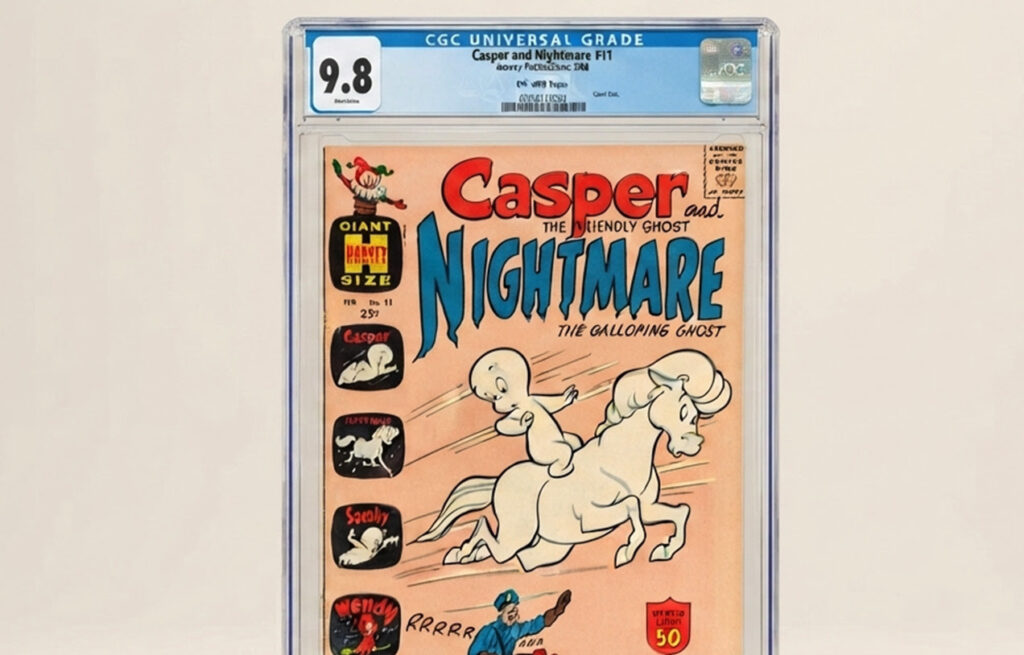
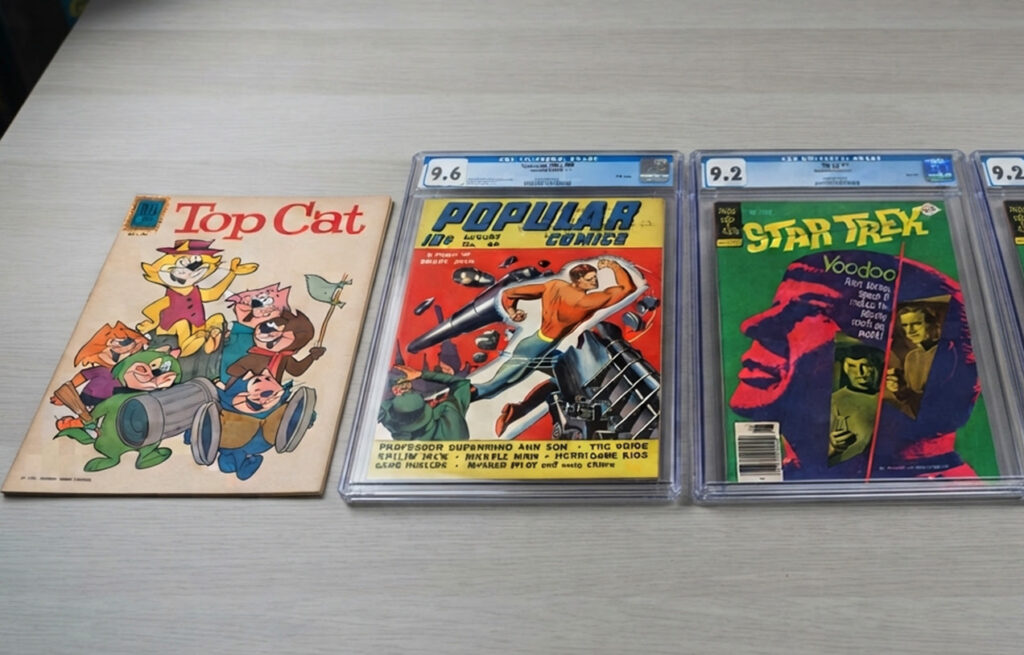
File copies usually come in anywhere from 9.6 to 10.0 on the CGC scale and a fair number of them land right at or near the very top of what CGC has on record for a given issue. For a collector who wants the best possible copy of a book, grades in that range matter quite a bit.
That said, an office is still not a vault. File copies can develop minor flaws based on where they were kept and for how long - and some storage situations are worse than others. A warehouse with humidity problems, a shelf near a window or just years of weight from stacked paper can all do damage over time. The grade on a file copy shows what actually survived those conditions - not what was promised from the start.
File copies also tend to carry publisher stamps, date markings or other little notations that add a bit of extra history to the book - a small trace of where it had been before it landed in your hands.
The Truth About Publisher Stamps and Marks
A mark on a file copy isn't necessarily a flaw, so don't be too quick to pass one up. Plenty of these books include publisher stamps, handwritten editorial comments or initials from the staff members who handled them decades ago, and each one tells you something about where that book has been.
For collectors, this is one of the more interesting parts of the hobby. A small ink stamp from the original publisher can knock a grade down slightly at graders like CGC - but that same stamp is also hard proof that the book never left the building it was born in. A lower grade and a deeper history, all wrapped up in the same copy. For plenty of collectors, that trade-off is legitimately worth it.
It connects the physical book to the exact point in time that it was made, and it places a person in the room where the story first came together. That provenance carries a weight that no pristine copy can even come close to matching.
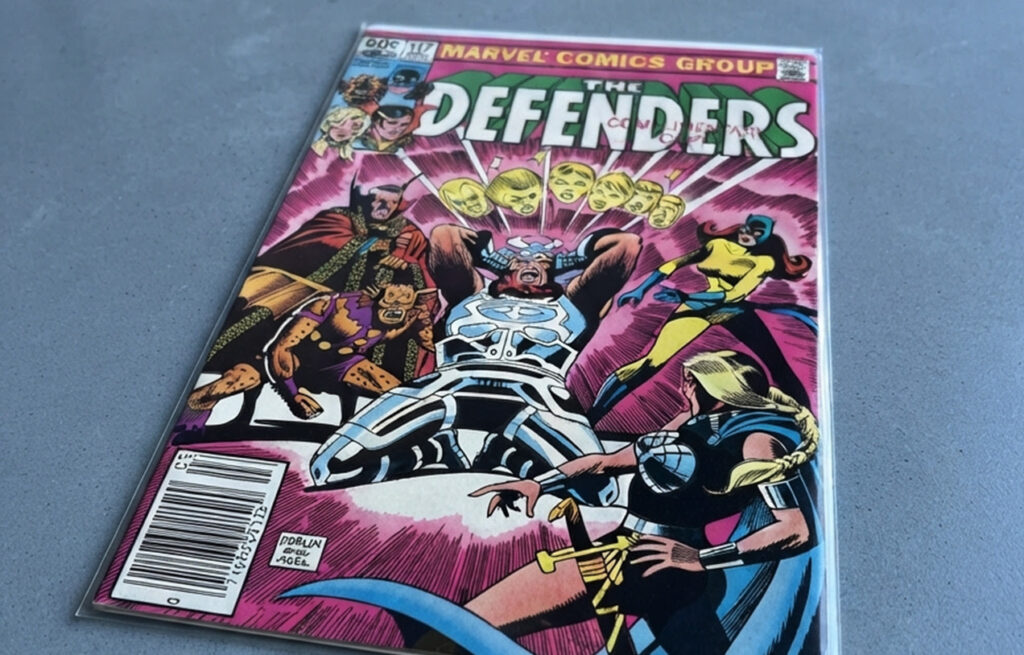
The actual question that's worth asking is whether a mark actually makes a book worse - or whether it makes the book feel more real. A lot of that can depend on what you're personally after. A collector who wants a clean display piece will probably see a stamp as a drawback - it's a fair way to look at it. Then again, a collector who wants a genuine part of publishing history might see that exact same stamp as the whole point of owning the book. The market tends to reflect that divide, and both types of buyers are out there in healthy numbers.
The main point is that it's all documented. A file copy with editorial markings comes with a verifiable history - and that's worth something on its own. For plenty of dedicated collectors, that provenance is the whole point.
How CGC Awards a Pedigree Designation
CGC is the most trusted grading authority in the comic collecting world, and one of the best moves they can make for a book is to award it an official pedigree designation. Not every collection earns that label (not even close), and the exclusivity is a big part of what gives it weight in the market.
When a book earns a CGC pedigree designation, an expert at CGC has actually sat down with it and verified its full provenance - its ownership and storage history. Any seller can drop the words "file copy" into a listing description, and plenty of them do. A claim like that, with nothing to back it up, is just a word. A CGC pedigree label is an official confirmation - and this distinction matters when actual money is involved.
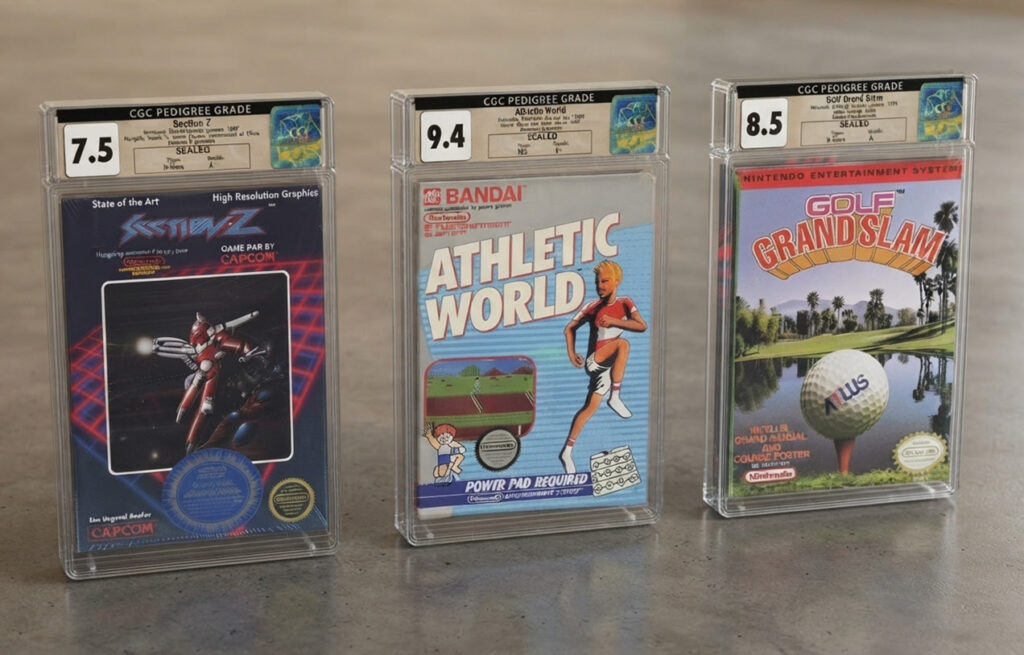
The financial side of all this deserves some attention. A CGC-recognized pedigree can push a book's resale value well above what an unverified copy would fetch on the open market. The Pacific Coast pedigree and the Gaines File Copies pedigree are two great examples of collections that have earned this official status, and their books command the prices to match.
Not every file copy will make the cut - it's worth keeping in mind. A book can have a legitimate, traceable ownership history and still not meet what CGC needs in order to award a formal pedigree designation. The bar is high, and most books (even ones with a strong history behind them) are never going to get there. From what I've seen, this tends to be one of the more frustrating parts of the hobby for collectors who are confident in what they own but who still can't quite meet that final standard.
Why Sellers Get Away with a False Label
The term "file copy" carries weight in the comic collecting world, which also makes it one of the more abused labels in the hobby. Plenty of sellers will slap it on any book that looks clean and well-preserved - even when there's no connection to a publisher behind it.
The label carries weight with buyers - it's worth keeping in mind. A "file copy" stamp in a listing reads almost like a certificate of authenticity - it implies a book with a traceable history behind it. The mental picture we like to form is of a neatly organized shelf inside some publishing office - not a well-worn copy that just happened to survive forty years in someone's garage.
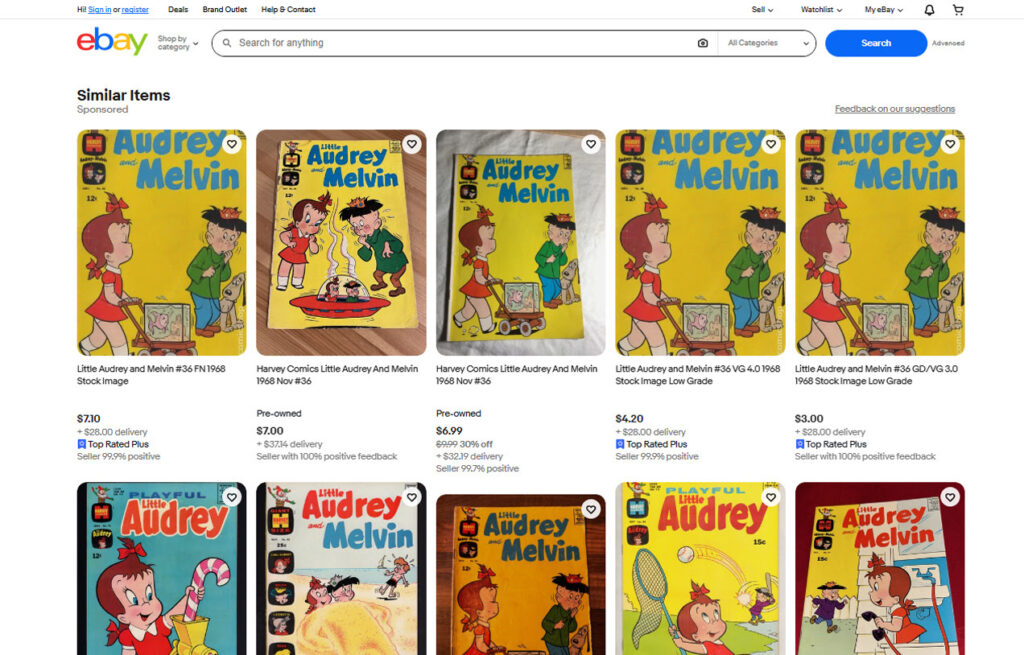
The sting comes in at the price tag. A seller can label a book as a file copy and list it at a price that only makes sense if the provenance is actually what they claim. The difference between what you pay and what you walk away with is where most of the collector frustration tends to pile up - and it compounds fast when money is on the line.
There's no single governing body for this term - no authority with the power to set standards or catch sellers who apply it wrong. A book that just looks unread is very different from one with a verifiable connection to its original publisher, and this gap can translate into money. The market, sadly, doesn't always do a great job of making that distinction on its own.
A few extra minutes spent on a book's provenance are well worth it before a buy. The next section walks you through how to do that.
Get the Full Story Before You Buy
Provenance is a dressed-up word for proof - it's a record that tracks where a comic first came from and how it got to where it is now.
A file copy label on a listing is a start. But it's not something worth taking at face value on its own. What matters is whether the seller can support that claim with documentation. Original acquisition records, publisher correspondence or a verifiable sales history through trusted auction houses - any of these can do quite a bit to make the claim more credible. And of course the more a seller can produce, the stronger your position will be as a buyer.
Plenty of buyers feel a little awkward about asking for documentation (it's understandable), but ask anyway. Any seller worth doing business with will be happy to share whatever they have. If they get evasive or dismiss the question, that reaction alone will tell you quite a bit about how the rest of the deal is likely to go.
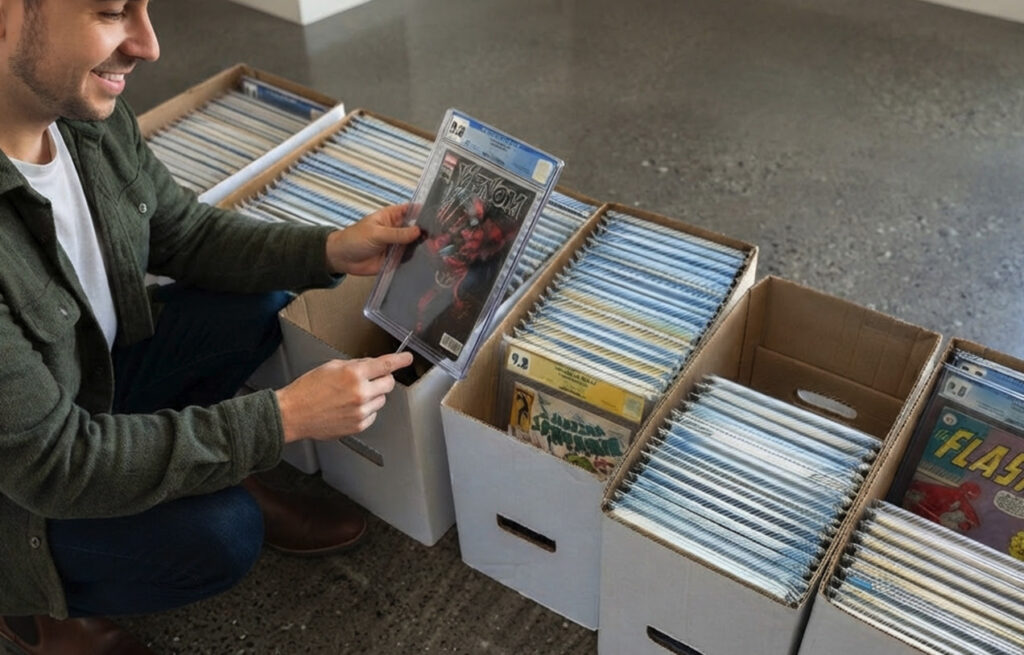
A couple of signs in particular are worth watching for. A file copy label that looks like it's been added recently is one, especially one that has no place in the book's documented history - that's a real red flag.
You don't need to be an expert to ask the right questions here. Just ask the seller to explain the book's history and then see how they respond. A confident answer backed up by at least some documentation - that's what you're after. Vague answers and plenty of sidestepping are not. Usually the way they answer will tell you far more than any paperwork ever will.
Good Habits Lead to a Stronger Collection
A comic that went straight from the printer to a publisher's shelf and just sat there for decades is something to own. Millions of other copies were read, folded, passed around and eventually lost to time - a true file copy has never left its shelf. That history doesn't come up in every collection, and when it does, it matters.
A label alone doesn't tell you everything. A verified file copy (one with records, a traceable history and honest grading) is very different from a clean-looking book that a seller just decided to call one. Questions about provenance, auction data and a healthy dose of skepticism toward unverified claims aren't signs of distrust - they're just habits, and they're the kind that protect your money and your collection.
For anyone who is newer to this side of collecting, there's a learning curve. But the basics are manageable. Get familiar with what the label is telling you, find out where the book came from and compare it against what verified copies like it have actually sold for. That foundation alone will serve you well.
If the book you're looking for is a verified file copy, Quality Comix is worth a long look. With over 25 years of buying and selling vintage comics, we make sure every book that we carry is graded and listed accurately. Our new arrivals page is a great place to start if you want to see what just came in, and our Epic Points rewards program is well worth joining if you want to get more out of every order. Whatever direction you go in, we're happy to be part of your collection.