


 Written By

Two comics sit side by side - the same title, the same issue number, the same grade on the label. One sells for $475, and the other closes at $700. For a first-time buyer, that $225 gap comes with no explanation attached to it, and it's the sort of situation that sends collectors straight to a search bar.
The word "pedigree" comes up quite a bit in comics. A pedigree refers to a comic that comes from a famous, well-documented original collection - one known for its exceptional condition and complete provenance (the kind that grading services officially recognize). That recognition carries actual financial weight.
Not every seller uses that term correctly, and plenty of listings will casually toss "pedigree" around as marketing language just to push a higher asking price. Without the right context behind it, it's pretty hard to tell whether a premium is legitimate or just inflated. On verified pedigree books, prices can run hundreds of percent above standard market value - which means the difference between a certification and an unverified claim can be thousands of dollars on a single transaction.
Let's talk about what comic book pedigrees are and why collectors care.
What Does Comic Pedigree Mean?
The word "pedigree" gets used quite a bit in comic collector circles, and it carries a meaning that you'll want to know. A pedigree collection is a group of books that all trace back to a single original owner, and they were kept in exceptional condition throughout their history.
That second part matters. A massive haul of comics that spent decades in a damp basement won't count as a pedigree collection - no matter how old or rare those books actually are. The condition and storage history each need to be present. Age and quantity alone just don't get you there.
Plenty of collectors figure that age is the main factor that drives a book's value. And to be fair, an old comic in great shape is worth money. But what a pedigree can add is a layer of verified trust and a documented history that a random old comic just can't bring on its own. The book needs to have a traceable story - where it came from, who had it before and how it was kept over the years.

Two copies of the exact same comic from the same year can land in wildly different places in terms of value, and the only detail that separates them is a verified pedigree on one of them. That pedigree copy carries built-in credibility - experienced collectors know where it's been, and the history translates directly into what they're willing to pay. The price difference between the two can be quite staggering.
A pedigree is also a collection-level designation - it's not something that gets assigned to any single book on its own. The books in a pedigreed collection travel together under one shared name - one that usually comes from either the original owner or the region where the collection was found. That shared identity is a big part of what gives the whole designation its weight and meaning in the market.
How CGC Evaluates a True Pedigree Collection
Not every old collection earns the right to carry a pedigree name - it's very much intentional. CGC, the Certified Guaranty Company, is the organization responsible for that entire process, and they don't take it lightly at all.
CGC holds an official list of recognized pedigree collections, and when a book qualifies, that designation gets printed right on the grading label - it's not something that a seller gets to just call on their own. CGC has to look over the full collection first before any single book within it can carry that status.

That evaluation looks at the entire collection - it needs to be exceptional across the board. Old comic paper tends to yellow and get brittle over the decades, and a collection that has managed to hold onto its color and structural integrity after all that time does say quite a bit about how well it was stored and cared for over the years.
That's also where the label earns its place for buyers. Most collectors who pick up a high-grade vintage comic have no way to trace that book's full history on their own - it's just not something that you can realistically do. The CGC pedigree designation is an independent confirmation that an outside party with genuine expertise already did that work on your behalf. I see this come up quite a bit in high-end transactions - a book's documented past has a direct effect on what it's actually worth. For a buyer who is dropping big money on a vintage book, that CGC-backed paper trail on the collection's origins gives them a layer of confidence that's not easy to put a price on.
The Pedigree Collections That Set the Standard
Thousands of comic book collections are out there, and most of them are very ordinary. Not all of them, though, have built up the reputation that makes a dedicated collector's pulse race.
The Mile High Collection is probably the most famous of them all, and there's history behind it - it belonged to a man named Edgar Church, who had stored his comics in a Denver, Colorado home for decades. When those books finally came to light, they were in near-perfect condition - with bright colors and pages that looked almost untouched by time. Most collectors regard it as the closest to a gold standard that pedigree collecting has ever seen.
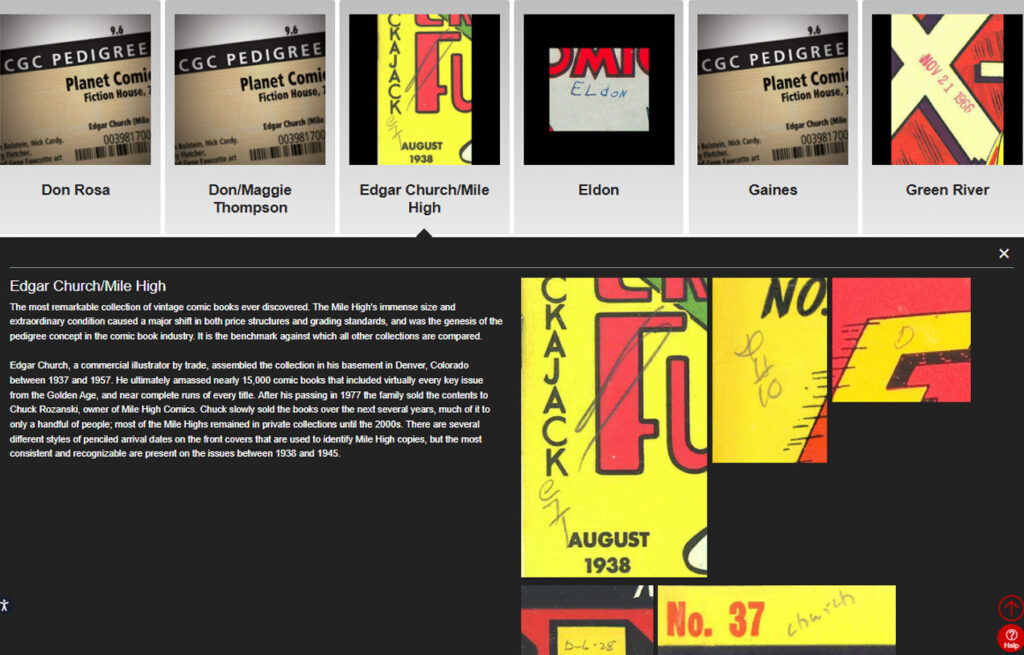
The Gaines File Copies have a very different backstory - though they're every bit as well thought of. EC Comics held onto them as their own internal file copies, which means they never once sat on a store shelf or passed through a reader's hands. Provenance like that means quite a bit to collectors and graders. A copy that's never touched the public market is worth something very different from one that's changed hands a dozen times.
The Pacific Coast Collection is another name worth your attention. What sets it apart is the condition of its pages - bright white paper with almost no yellowing or brittleness whatsoever. For a book that was printed in the 1940s or 50s, that preservation is very hard to come by, and it's just the sort of detail graders and auction houses pay very close attention to.
What sets these three collections apart from most is that they have a documented history and the physical condition to back it all up. A pedigree is only worth as much as its paper trail - and these three have it in full. When a high-grade book from any one of these collections comes to market, it carries plenty of weight behind it, and the prices will usually follow.
Why a Pedigree Label Raises the Price
A pedigree label can push a comic book's value anywhere from two to five times higher than a plain copy at the same grade. They're literally the same book. But that price gap is very real.
As a buyer, the situation goes something like this: you have two copies of the exact same book right in front of you, at the same grade. One has a pedigree name on it, and the other one doesn't. The pedigree copy costs quite a bit more, and for plenty of collectors, that extra price is well worth it.
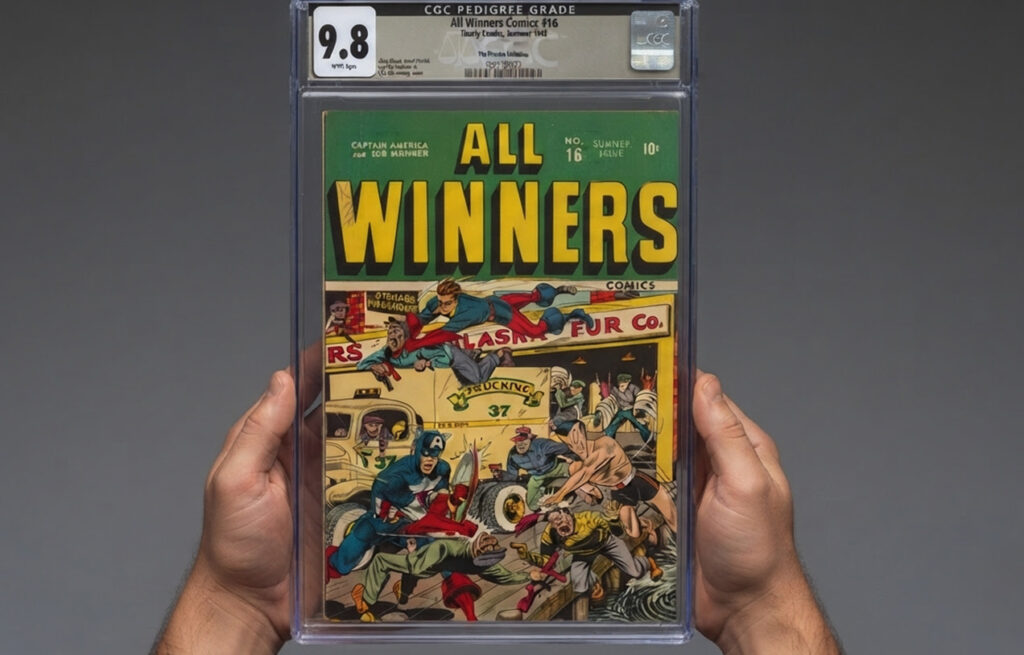
A grade tells you what condition a book was in at the exact time it got examined. A pedigree tells you something about that book's entire life before it ever reached your hands - where it came from, how it was stored, who owned it and whether any of that history has actually been documented and verified along the way. That provenance is harder to come by than a number on a label, and it's also a whole lot harder to fake.
Graded copies without a known history aren't worthless by any means - plenty of them are great books at great prices. A pedigree gives you a level of confidence in what you're buying that a grade alone just can't match.
That documented history counts for quite a bit in the market, and it tends to translate pretty directly into price. A high grade on an unknown copy is worth quite a bit - there's no question about that. A high grade on a book with a verified pedigree is a different matter altogether, and the price tag will show it.
What a Book's History Can Tell You
Provenance is the paper trail behind a comic book - a record of where it came from, who owned it and how it was stored over the years. A book with a clean single-owner history gives buyers a much stronger foundation to work from - it takes the second-guessing off the table, and past that, it helps weed out issues like undisclosed restoration work or damage that a polished cover might not give away on its own.
That last part is important to remember. A sharp-looking cover can hide issues that aren't always easy to catch. Some books get professionally pressed or lightly cleaned just enough to look better than they are - and with no documented history to back it up, there's no way for a buyer to know what they've actually paid for.
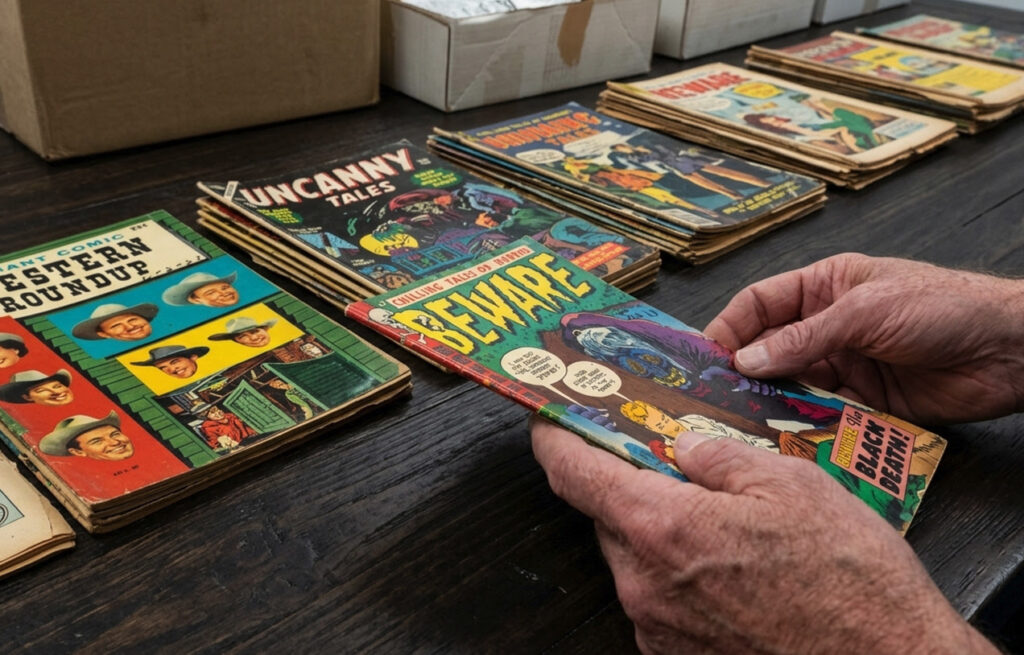
That sort of documented background is legitimately hard to come by in this hobby, and when it does show up, it makes a direct difference in the grade that a book can earn and what that grade is worth. Two copies of the same book can carry the exact same grade and still be very different purchases. A single-owner copy with a well-documented history (especially one connected to a respected collection) is a more reliable buy than one that passed through a dozen different hands with no paper trail attached to it.
Not every provenance claim will hold up, so it's worth checking before a buy goes too far along. A book's background deserves its own attention - it's a whole separate conversation that calls for a deep dive. You can dig into a book's history in quite a few ways before putting any actual money into it, and it's a step that gets skipped far too often.
How to Check a Pedigree for Yourself
Before you spend decent money on a book, one of the most helpful skills that you can have is the ability to verify a pedigree on your own.
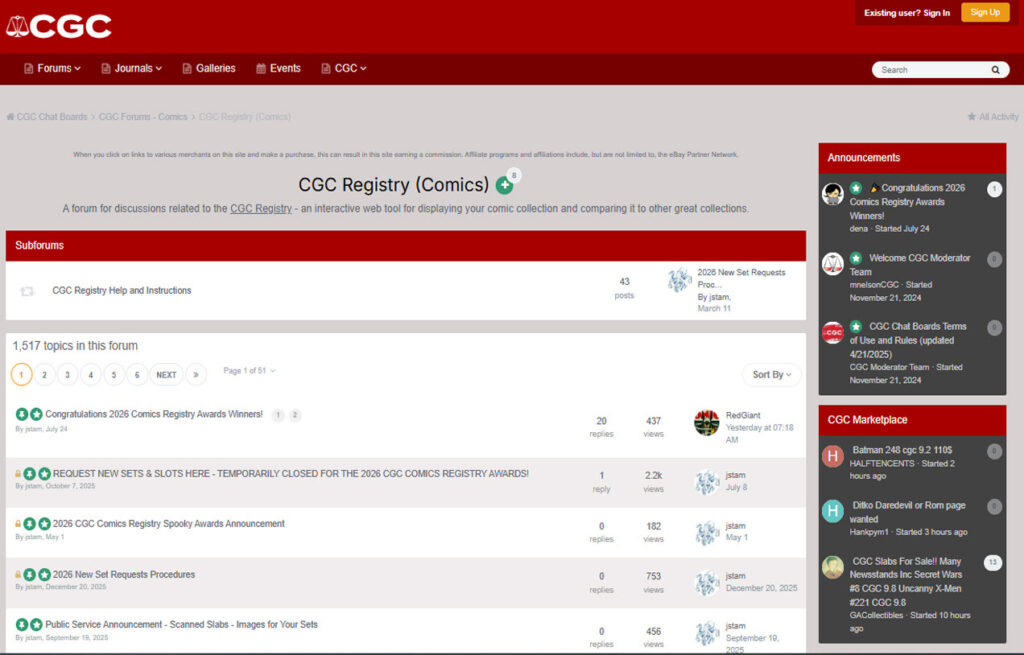
The CGC Registry is a good place to start. It's a free, publicly searchable database where you can look up graded books and check their pedigree designations right there on the page - no guessing, no back and forth, just a concrete answer that you can check against.
With a graded book in hand, the label itself is your first checkpoint. A legitimate pedigree book will have the collection name printed right on the CGC label, and from there, a quick cross-reference against CGC's official pedigree list will tell you whether it's legitimate or not.
This is where it gets a little tougher. A number of sellers out there will list an ungraded book as a pedigree copy, with nothing to back that up. Without a CGC grade, there's no official designation attached to it - no label, no certification, nothing. That doesn't mean the seller is necessarily wrong about what they have. But unless you have it graded yourself, there's no way to know with any certainty.
Vague language like "believed to be from the collection" or "likely a pedigree copy" should always raise a red flag. What those phrases actually do is place the uncertainty on you, the buyer - not the seller. A true pedigree comes with records that can be traced and verified.
The registry check itself only takes a few minutes, and for something that fast, it matters quite a bit in this hobby. A few minutes of research can save you from paying a premium on something that was never going to match what was promised.
Now You Have What It Takes
Once you add in preservation and an official grade from a well-respected authority, the price differences between comics start to make a whole lot more sense. What once felt like some arbitrary mystery starts to feel more like a system that's actually worth learning.
At this point, you're ahead of most buyers out there - you can tell a legitimate pedigree apart from that of a seller who just uses vague language to justify a higher price. In a market where those facts matter, that knowledge goes a long way - this hobby is a whole lot more fun if you can strategize and work with confidence and not have to worry about being burned.
The best collectors always have more to learn - it's a big part of what makes this hobby so rewarding over the long run. Every little bit that you pick up along the way matters - your next pick gets a bit sharper, and your next great find ends up being even more satisfying.
At Quality Comix, we've spent over 25 years in the vintage comics market, and every book in our inventory gets graded with the same level of care that we'd want for our own collections. When you're ready to continue from here, our new arrivals page is a great place to start - or check out the Deal of the Week if you want to find something a little different. We also have a free e-book available if you want to build on everything you've learned here. Whatever you choose to do next, we're happy to be a part of it.