


 Written By
The Canadian price variant market rewards research and punishes those who skip it. Premiums can swing from modest to dramatic - it all can depend on the issue, the grade and how hot the character is at any given point in time. A buyer who pays top dollar during a market spike on a mid-tier book may spend years just trying to break even on it. That outcome starts with a gap in preparation. A patient collector who does the homework first can land a very scarce piece at a fair price. What separates those two results is usually just the preparation.
Scarcity, third-party certification, big first appearances and collector skepticism all affect what these books sell for on any given day. None of them operate in isolation, and no single rule covers every title from this era. The interaction between these factors matters - a book that checks two or three of the boxes at once can move very differently than one that only checks one. A high-grade copy of a sought-after issue with a verified Canadian price variant warrants a different conversation than a mid-grade reader copy of a second-tier title - and the market prices accordingly. Every one of these elements deserves a close look before any money changes hands - in my experience, that's the difference between an addition to a collection and an expensive lesson.
Let's dig into what Canadian price variant comics are actually worth on the market!
The Story Behind Canadian Price Variants
Spend enough time going through back issue bins, and you'll eventually pull out a comic that looks normal - until you see the price. The American edition might read "60¢" in the corner box while the Canadian version of that exact same issue reads "75¢." That little price difference on the cover is your first clue that the book in your hands is something a little different.
These are Canadian price variants, and they were a very real, very deliberate part of how the big publishers distributed comics throughout the 1980s. From roughly 1982 to 1988, publishers printed separate runs of their titles at slightly higher cover prices, made just for the Canadian market. Marvel was by far the most prominent publisher for this, though DC and Archie had their own Canadian editions at different points during that same period.
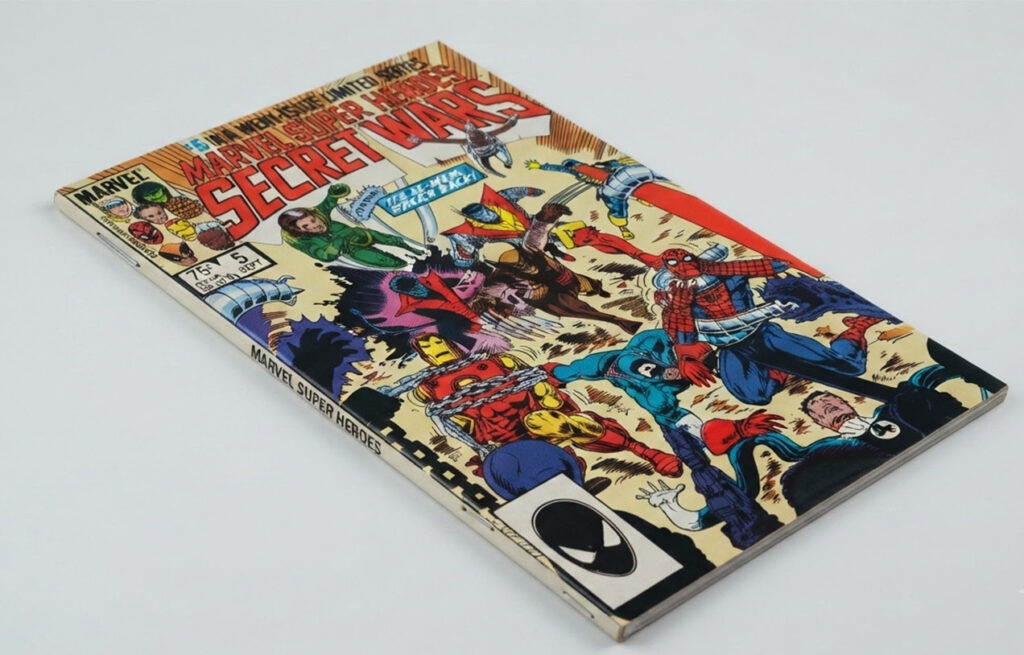
The reason for the higher price was actually not all that hard to explain. At the time, the Canadian dollar was worth less than the American dollar, so publishers had to adjust their cover prices to account for what it cost to sell a book north of the border. These weren't reprints or foreign editions of any kind, though. The content inside was the same, page for page. The only detail that changed was the number printed on the cover.
The appeal for collectors starts with how these books were distributed. Canadian price variants never made it into the American market in any real numbers, since they were shipped exclusively to Canadian retailers. A reader in Ohio who picked up that same issue would have walked out of the shop with the lower-priced American edition. That regional split - one issue, two versions - is what collectors and investors are still trying to make sense of with these books.
Small Print Runs Make These Books Worth More
Canadian price variants were printed in far smaller numbers than their American counterparts - a pretty dramatic gap. Most estimates put them at roughly 10% of the total print run for any given issue, which means for every 100 copies that came off the press, only about 10 of them were Canadian versions.
No precise public record was ever kept of how many copies were made, which means the 10% figure is more of an educated estimate than a hard fact. Publishers never broke their print data down by region in any way that collectors can get their hands on. What we do have is the product of decades of careful research, distributor knowledge, and the data points that the collector community has painstakingly pieced together over the years.
From there, basic logic takes over. When there are fewer copies to begin with, fewer copies survive - and when fewer survive, the ones that actually made it through are just harder to find. That scarcity is what drives collectors to pay a premium for these books - and it's a big part of why the market for them has only continued to grow.
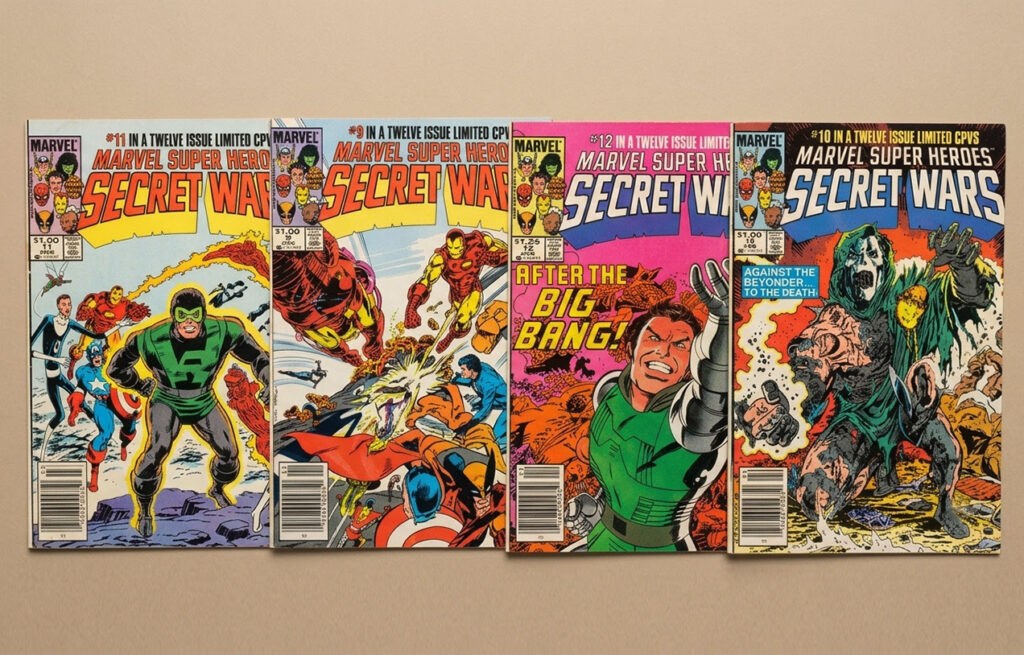
A big part of the appeal is that most other collectors will never be able to get their hands on one. At a convention, you could be holding a book that the person right across the table from you won't even be able to find - that feeling alone is a very real driver of demand for these variants. It's not purely about investment value.
The numbers back that up. A 90% gap in print volume is huge. That gap flows directly into what these books sell for on the secondary market. A high-grade Canadian variant of a popular issue can go for a few times what the American edition brings - and from what I've seen, that gap only gets wider as the issue gets more desirable.
The CGC Label That Moved the Market
For years, Canadian price variants fell into a gray area in the hobby - no one could quite agree whether they were legitimate collectibles worth finding or just a regional printing oddity. That uncertainty held collectors back for a long time, and it kept prices pretty modest in the meantime.
CGC changed that. Once they officially recognized Canadian price variants as their own separate category and started labeling them that way, it sent a strong signal to the entire market - these books are different, and they're legitimately worth tracking. For collectors, that label was the turning point where the variants were no longer a minor curiosity and became something worth actually pursuing.
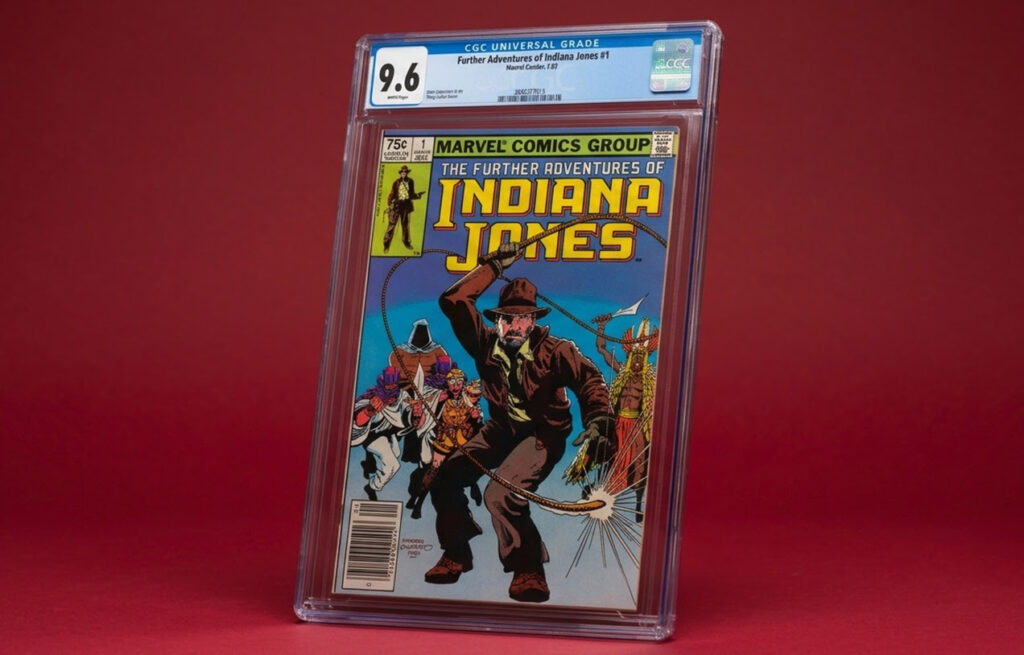
A stamp of approval from a big-name authority removes the uncertainty for buyers who aren't very familiar with the hobby. The credibility behind that name matters - and there's a genuine dollar value attached to it.
Once CGC started treating Canadian variants as their own category worth labeling, the market paid attention - and the prices followed pretty fast. Books that had been trading hands at modest prices without much attention started drawing genuine competition at auction. A big part of that was the rarity story - it had finally reached buyers who hadn't heard it yet. The other part was the certified label - a slabbed book that could settle any argument before it started, with a plain statement right on it that this wasn't the same print run as its American counterpart.
That level of institutional recognition doesn't create value where none exists. What it does is make that already-existing value visible, and it gives the market the confidence it needed to finally act on it.
First Appearances That Drive the Highest Prices
A character's first appearance is one of the biggest price drivers in the entire hobby. The second a comic marks a debut, collectors move very fast - and prices on those books can jump well above what a standard copy would normally bring. Canadian price variants for those same books follow the exact same pattern, and in quite a few cases they actually go even higher.
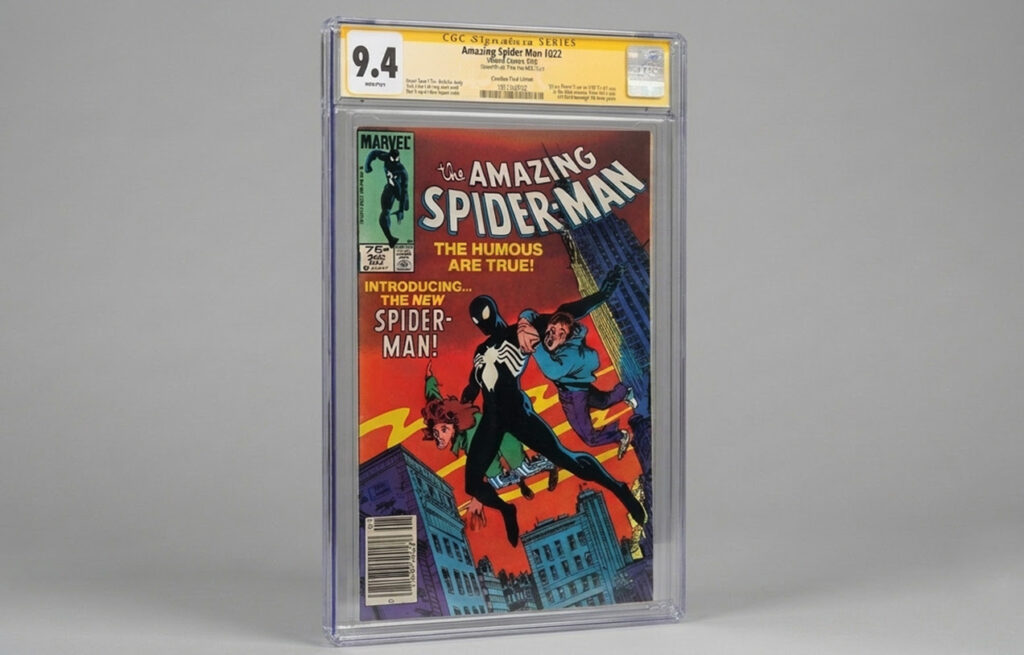
Amazing Spider-Man #252 is a great example. It's the first appearance of Spider-Man's black costume (a true landmark issue) and a CGC-graded US copy in 9.8 will sell somewhere in the $500 to $700 range on a strong day.
The Canadian price variant of that exact same issue, at a comparable grade, has sold for well over $1,000 - which is a huge price gap for what is the same comic book. That premium comes down to just how scarce these variants are at high grades and collectors who understand that are willing to pay for it.
How to Spot a Canadian Price Variant
A Canadian price variant and a standard US newsstand copy look nearly identical, but you can tell them apart. The giveaway is the cover price. A Canadian price variant shows a single, higher price in the corner box - 75¢ where the US newsstand copy reads 60¢, for example - and no US price anywhere on the cover. Copies that print both a US and a Canadian price are not variants. Publishers eventually put both prices on every copy, so dual-price covers are common and don't carry a premium.
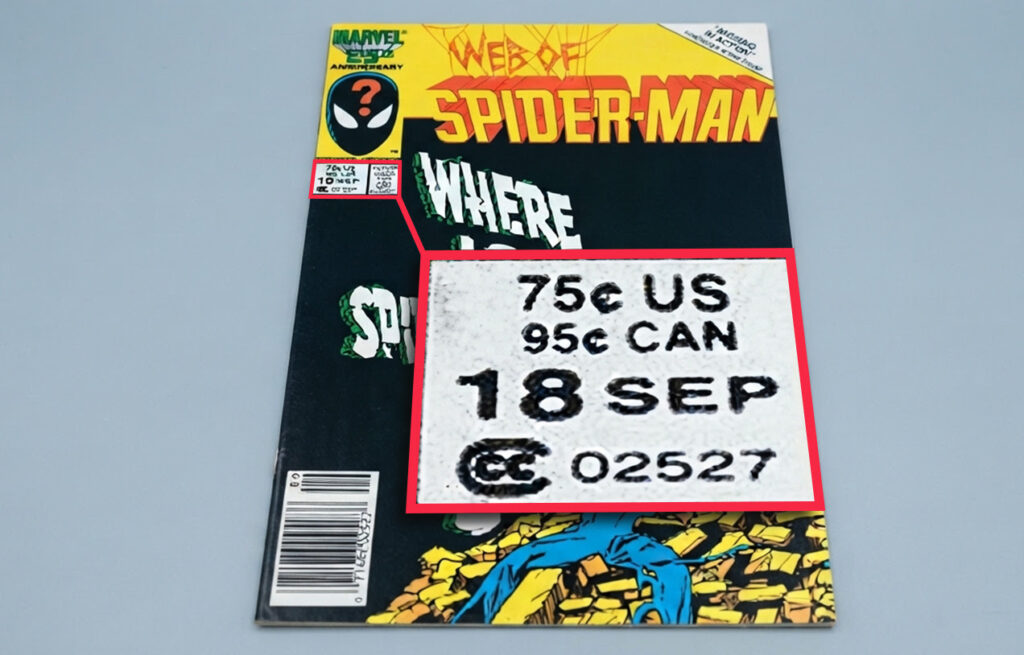
Past the price, the rest of the cover looks the same as the US edition - and that's right where newcomers get lost. Without any big label or flag to signal the difference, you could walk right past it without a second look. The difference shows up in those small printed markings, usually near the barcode or tucked into a corner box.
One point worth pinning down is what a Canadian price variant actually is not. These are newsstand copies that were distributed specifically in Canada during a fairly well-documented window - mostly from 1982 through 1988. A common mistake is to confuse them with the Canadian reprint editions, which were something entirely different - separate publications with different content and different branding.
Direct edition copies fall into their own separate category. These were sold exclusively through comic shops, which means they don't carry any regional price variations. With a direct edition in hand, it's a very different type of book.
Confirm it's a newsstand copy (barcode in the lower left corner), then check that the single price is higher than the US newsstand price for that issue. Marvel's variants run from October 1982 through August 1986, and DC's run through September 1988.
Are These Premiums Built to Last
The value of a Canadian price variant can bounce around quite a bit, and it can depend on the issue, its grade and what the market is doing at any given time. A book that sells for strong money one year might just sit there with zero buyers the next. All that back and forth makes it pretty hard to get a sense of what you're in for when you go after one of these.
Plenty of collectors have chased a trend and watched it cool off before their eyes - and most of them know exactly what that feels like. The more interesting question, at least to me, is why some books manage to hold their value for years, and others just fade out of the conversation - maybe genuine long-term collector demand that carries them forward, or maybe a narrow window of excitement that eventually just runs its course.
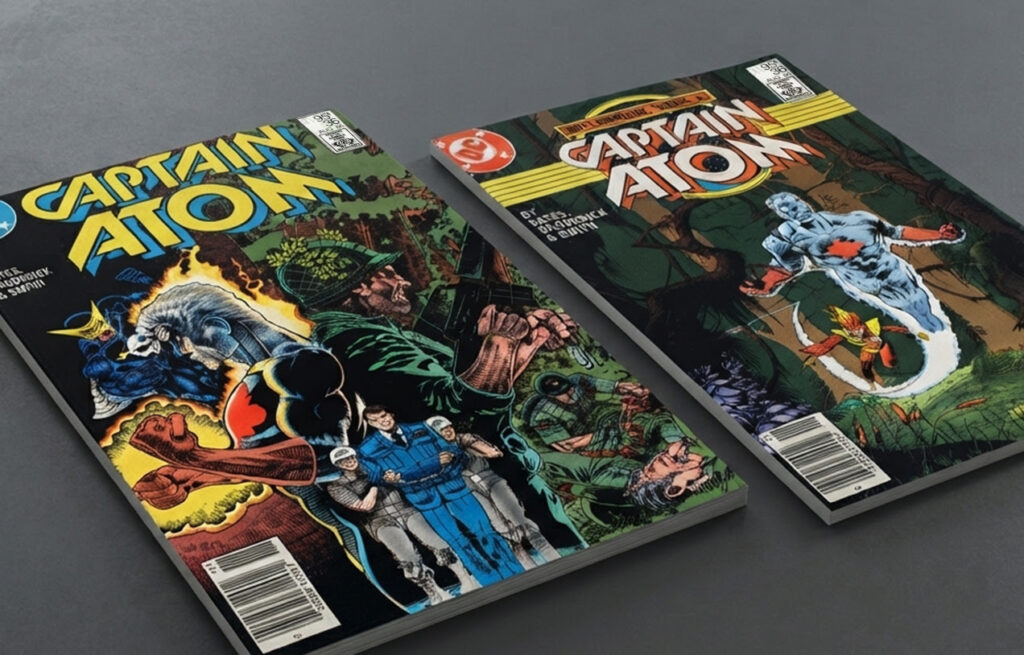
The arguments pull in different directions here. Canadian editions are very hard to find in American markets (that's well-documented), and the lower print runs do carry weight with diehard collectors. A rarer book is a rarer book, and it's hard to argue with that. At the same time, scarcity on its own has never been a guarantee that a book will hold its value for years to come. Plenty of "rare" books eventually just stop mattering to the market. These variants haven't quite found their footing yet, and even experienced collectors disagree on where this is going to land.
Check the Sold Prices Before You Buy
The first step, before you spend a single dollar, is to pull up the recent sales data. The sold listings on eBay are your best starting point (they show what buyers actually paid, not what sellers are hoping to get). Active listings only tell you what sellers are asking, and those numbers can be way off from reality. A listing at $300 doesn't tell you very much when the last three copies of that same book went for $80.
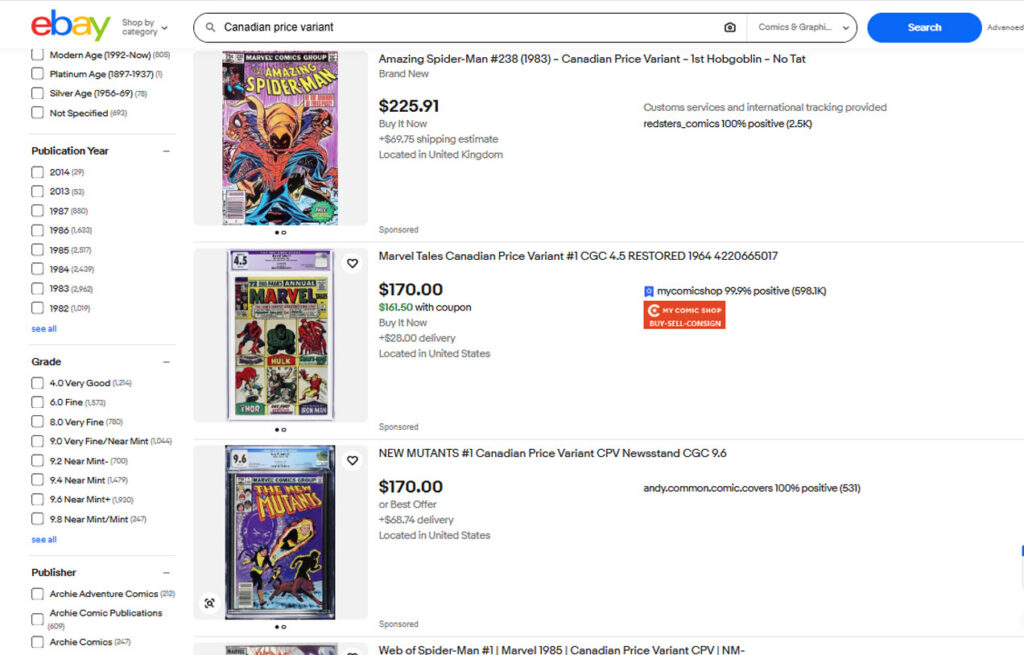
A mid-grade copy and a high-grade copy of the exact same book can sit in two very different price ranges. When you compare sale prices, always make sure that you're looking at the same grade. Even a small difference in condition can mean a very large difference in price, so the facts do matter here.
It's also worth a look at why a particular book is suddenly hot. Most price spikes trace back to a recent announcement or a rumored film adaptation. That interest tends to fade pretty fast - the prices usually drop right along with it. A top-dollar buy at the absolute peak of that excitement is, without a doubt, one of the easiest ways to overpay.
It's worth saying one more time - if you're at a show with cash in hand and a dealer starts pressuring you to choose right there, that's not the right time to spend money on something. A little research is always worth the effort. You don't have to choose immediately just because someone is ready to sell. The book will either still be there if you go back, or another copy will come along before long.
A Good Collection Is Worth the Wait
The collectors who do well with these books are usually the ones who slow down, look at the data and ask themselves whether a price lines up with genuine demand or just a temporary spike of excitement. That sort of patience just takes a willingness to hold off and wait for the right time.
And when it pays off, it pays off quite well.
There's something satisfying about building a collection with your eyes wide open. A rare book is a great find - but only when the story behind it holds up in the market and only when the price that you paid makes sense for what you have. That combination is hard to beat, and as you develop a sharp instinct for it, every book in front of you starts to look a little different.
With that said, if rare variants and hard-to-find books are what you're after, Quality Comix is a great place to find them. We've been buying and selling vintage comics for over 25 years, and our inventory moves fast, with fresh finds coming in from new acquisitions. Our new arrivals page is always worth a look whether you want to add something great to your collection or just see what's new. New books come in pretty steadily - some of them don't last very long.
On the other side of that, if you have a collection and want an honest answer on what it's actually worth, our process is about as painless as it gets. We give fair prices, we move fast, and we know this market well. We're happy you're here.
A Canadian Price Variant only has one price. An example would an American would have a price of 60 cents and a CPV of the same comic would have a price of 75 cents. Two prices on the same comic are nothing special.
Thanks for pointing this out! The dual US/Canadian price covers trip up a lot of people, since they show the Canadian price right there on the cover. But you're right that a true CPV shows only the single higher Canadian price, like 75¢ versus the US 60¢. We've updated the identification section so it's clear for everyone.