


 Written By

Those black lines and digits printed on a comic's barcode are doing serious work. Every part of that barcode carries information about the book - the publisher, the issue number, regional price variants and even whether the copy in your hands is a scarce newsstand edition or a far more common direct edition. Any one of them could be the difference between a run-of-the-mill back issue and something worth finding. A reprint dressed to look like a first printing won't fool a UPC code - and it's an expensive lesson to learn after paying too much for the wrong copy.
That's where all that barcode knowledge starts to pay off. If you've got a copy with a damaged cover and no visible print date or a suspicious-looking copy on a convention table with no traceable origin, just read the code. The barcode is always going to be a more reliable source than a seller's memory. The guessing in comic collecting just goes away.
The newsstand versus direct edition distinction is one of the first details worth learning as a new collector. Newsstand copies were distributed through traditional retail channels (newsstands, drugstores and grocery stores), and their barcode format looks pretty different from that of direct editions, which were sold exclusively through comic book shops. Newsstand copies, especially in later years, were printed in smaller numbers, and many of them ended up damaged or just thrown away instead of being kept. That combination of lower print runs and poor survival rates is what makes them worth more.
Let's dig into what those UPC codes are actually telling you about your comics!
What the Barcode on a Comic Means
A UPC barcode is that small rectangular block of black and white lines printed on a comic book's cover, usually in the lower left corner. The row of numbers underneath it holds information about the publisher, the title and the issue number. Comics first got these codes back in the 1970s, when distribution had become tough enough that retailers needed a much faster and more reliable way to manage returns.
For collectors, it's one of the more interesting little details about comics from that era. Not every copy actually has a scannable barcode on it. That detail alone says quite a bit about where a particular copy was first meant to be sold.
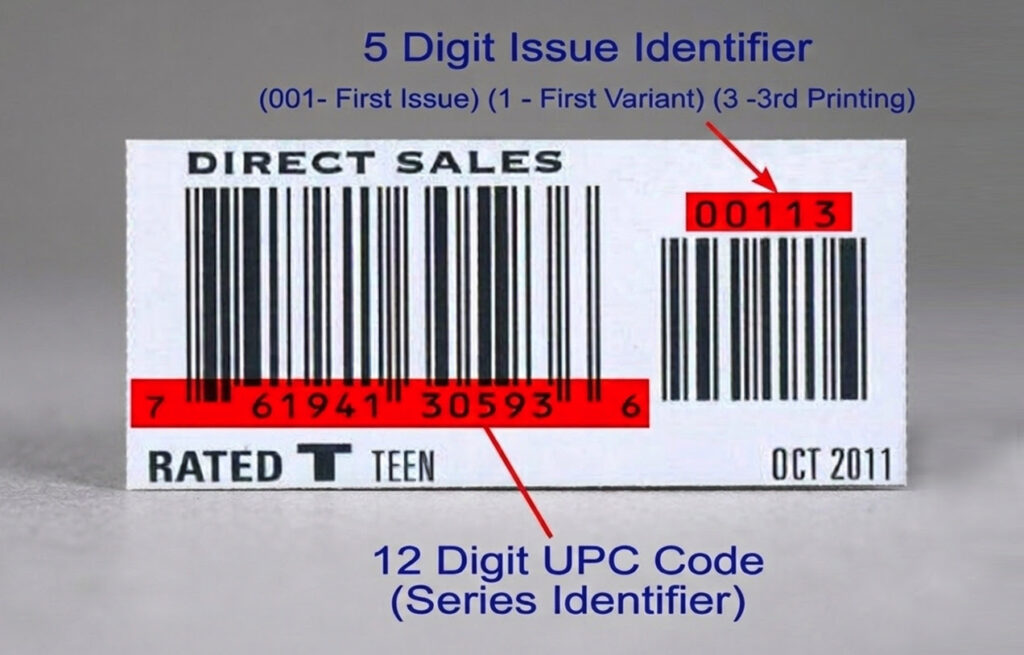
Comics that were sold at traditional newsstands (drugstores, grocery stores and corner shops) came with a working UPC barcode that cashiers could scan at the register. The copies distributed to dedicated comic book stores went through a separate process. Some publishers replaced the barcode area on those store copies with a small illustration. Those are what collectors call Direct Editions, and the little icon where the barcode would normally be is the quickest way to tell the two apart.
It all traces back to returns. Newsstand copies were eligible to be sent back to the distributor if they didn't sell, and the barcode was there to help manage that whole process. Direct Edition copies sold to comic shops were non-returnable, so there was no actual need for a scannable code at all. There were two versions of the same comic, printed at roughly the same time. That one small detail in the corner is all it takes to tell you how each copy ended up in a reader's hands.
The next time a Bronze Age or Copper Age comic crosses your path, go straight to that lower left corner first - it's a minor detail, but one that's worth keeping in mind.
Find the Issue Number in the Barcode
Comic barcodes are built around a very deliberate pattern, and one part of that pattern is worth pointing out - it encodes the issue number right there in the barcode itself. On most comics, it sits specifically in the second half of the barcode. Most publishers will drop it into the small supplemental code, which is the little cluster of numbers printed just to the right of the main barcode. The exact placement isn't always the same from one publisher to the next. But that general area is a basic place to start. It's pretty easy to see.
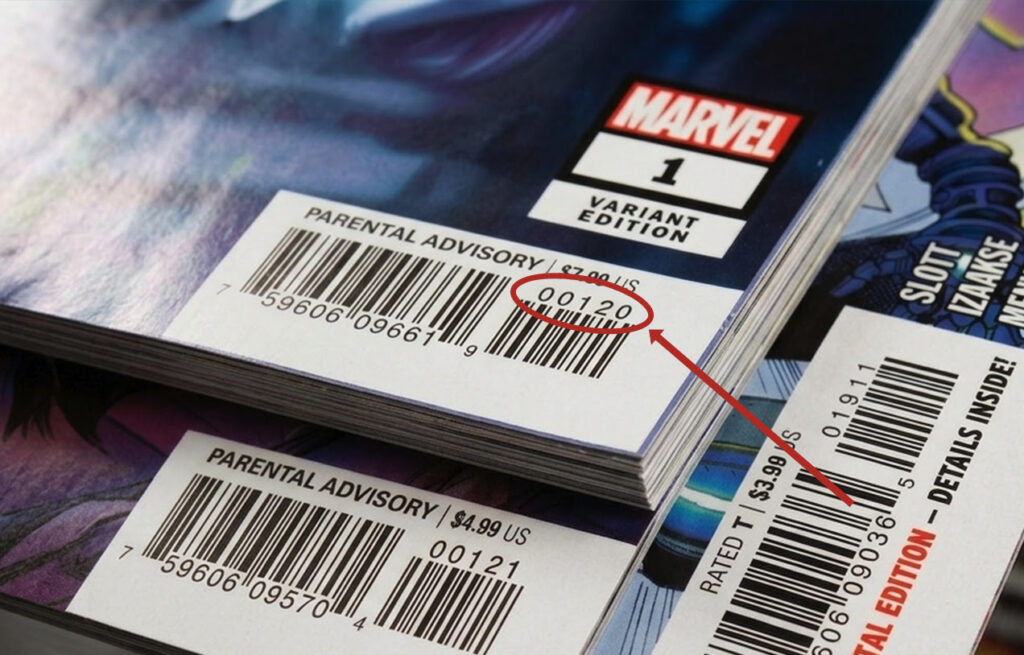
A worn garage-sale copy with a beat-up cover is one of the best examples of where this matters. If the cover is too damaged to read the printed issue number, the barcode can pick up the slack. Even with a creased spine and title text that's barely hanging on, a clean scan (or just a careful look at the digit string itself) will tell you which issue you have.
This situation comes up quite a bit for collectors who pick up lower-grade copies just to fill gaps in a run. A beat-up book can still be worth something if you know what you have. The barcode is a great way to nail that down without having to go by the cover alone. A quick cross-reference with a database or a price guide pairs well with this and takes most of the uncertainty out of the whole process. Between the two of them, most books are pretty easy to pin down in a minute or two - and those minutes start to add up when you're digging through a big stack of mixed inventory or a discount bin full of unlabeled books.
What the Barcode Prefix Tells You
The first few digits of a UPC code belong to the publisher. That one small detail can tell you quite a bit about what you're holding. Marvel, DC and every other big house each have their own prefix registered to them, so the barcode ties directly back to whoever put the book out.
Most collectors don't give this nearly enough credit, and it's one of the more worthwhile details to check on the whole cover. If a reprint has a cover that looks identical to the original run, the UPC prefix is one of the fastest ways to verify who published it. A different prefix on that barcode means a different publisher was involved - full stop. It can point to some legitimately interesting publishing history. A licensed reprint, a co-production or a book that changed hands between publishers at some point will sometimes carry a prefix that doesn't match the brand on the cover. The art and the logo might credit one publisher while the UPC identifies a different one.
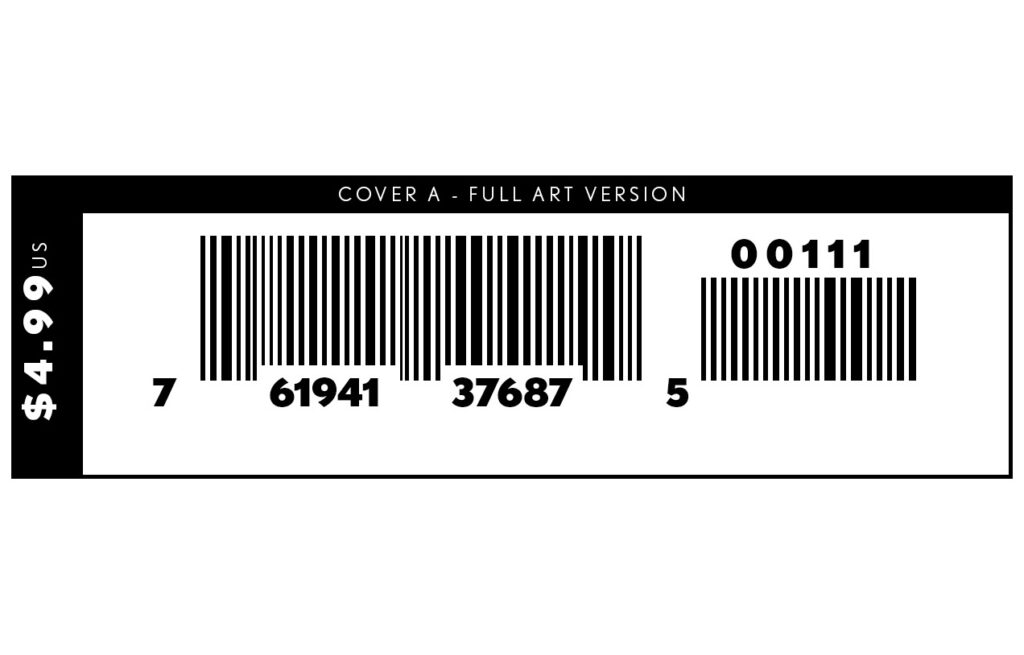
For collectors with an eye for reprints (or for anyone who wants to trace how a title moved between publishers over the years), it's worth paying close attention to. Plenty of these publishing relationships never get a single mention anywhere on the cover, and the UPC ends up being one of the only places where that information has survived in any readable form. Some of the most interesting arrangements ever made (co-productions, licensed deals, mid-run publisher transfers) left virtually no other trace anywhere.
Those patterns emerge pretty fast once you start looking at prefixes. The more you read them, the more familiar they become - and when one doesn't match the brand on the front of a piece, that's usually a sign that something more interesting happened during its production. In my experience, prefix literacy is one of the more underrated skills in any collector's toolkit - it tells you who actually made what you're looking at. That detail alone gives you a much fuller picture of what you have in your hands.
Check the Price Near the Barcode
Regional price variants are one of the more interesting details that the UPC code area can tell you about a comic. Back in the 1970s and 1980s, publishers would print separate runs of the same issue for different markets - and in most cases, the price near the barcode is the only difference between them.
Canadian 75¢ editions and UK price variants are very close copies of their American counterparts in almost every way. The cover art is the same, the issue number is the same, and even the UPC itself is identical across all versions - the only difference that sets them apart is the printed price right next to the barcode.
For collectors, that difference is actually a big deal. Surviving copies are very hard to come by, since regional runs were printed in far smaller quantities than the standard U.S. editions. A single issue can be worth dramatically more than another just because of a number printed in the corner.
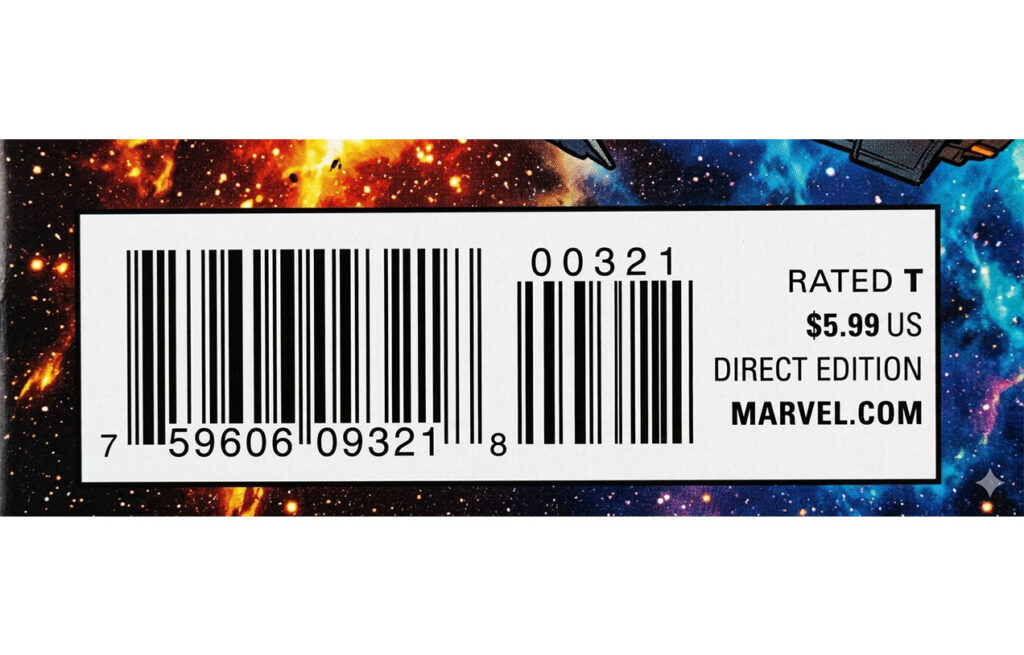
This detail is easy enough to miss, and most collectors do just that. The price tends to sit near the UPC area (sometimes in fairly small text), and it blends right into the rest of the cover's design. A quick scan of the cover won't be enough - take a second and look at it.
It's worth a look through the books that you already own. A price variant could already be on your shelf, and you'd have no idea. Check the price printed near the barcode on the front cover and compare it against what the standard U.S. edition was going for at that time. Even a small difference in that number can tell you something new about a book that you thought you'd already learned everything about.
What Made Newsstand Copies So Rare
The 1990s brought a change in how comic books made it to readers. Dedicated comic shops were steadily pulling fans away from the local newsstand, and publishers started to adjust their print runs to match. The end result was that newsstand editions ended up with noticeably smaller print runs than their direct edition counterparts did - sometimes by a pretty wide margin.
For collectors, that's where print runs start to matter. Fewer copies were made, so fewer are available - and each surviving copy is that much harder to track down. Scarcity like that has a direct effect on value - and it only gets worse over time, as more copies get damaged, lost or thrown away.
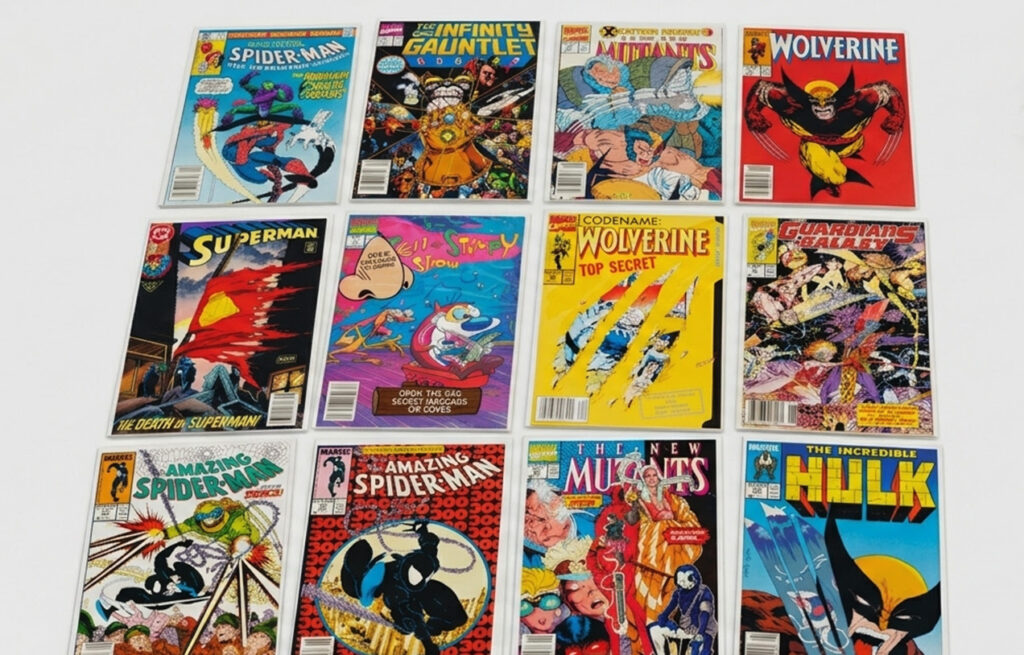
A box of late 1990s or early 2000s comics sitting in a closet somewhere probably has a fair number of newsstand editions with much lower print runs. Plenty of collectors have held onto their runs for decades without ever once looking at what the UPC code on the cover is actually telling them - and given the value difference we're talking about here, that's a pretty expensive detail to miss.
Direct editions and newsstand editions from that era can look almost identical side by side - and most collectors don't give it a second thought. What's printed in that little barcode area can translate into a pretty wide gap in value - sometimes a dramatic one based on the issue and the year. Those codes are pretty easy to read once you know what to look for, and they're one of the fastest ways to figure out what a copy is really worth. It's something I see come up quite a bit - collectors who are sitting on books that are legitimately worth money with no idea at all. It only takes a minute to check.
What the UPC Can Tell You
Pull these pieces together (the publisher prefix, the issue number encoding, the price markings and the barcode placement), and each one contributes its own small piece to a much wider picture of that comic's history. None of these elements were accidental. Every number and mark on that barcode ties back to a choice the publisher made before the book ever reached a shelf.
It matters most at a convention or when you're looking at an online listing, and a book just doesn't feel quite right to you. Having a sense of what those numbers are supposed to look like gives you something concrete to check.
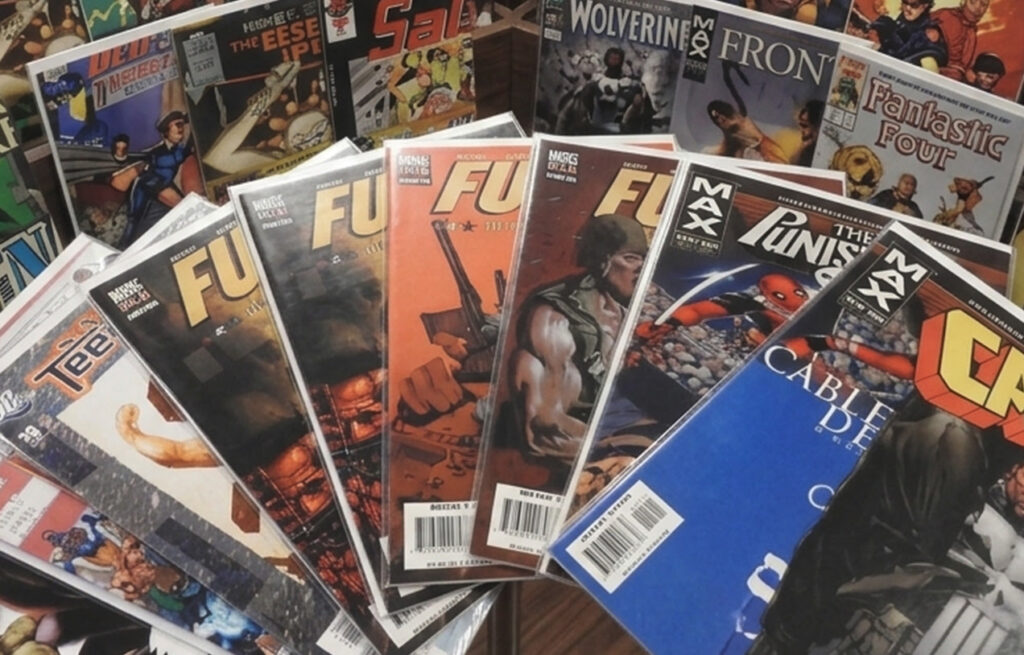
Reprints are one of the harder areas to sort through. Publishers have reused cover art, reformatted older issues and released trade editions that can look nearly identical to the originals. The UPC information inside those books is usually where the answer lives - but only if you know what you're comparing it against. A reprint will usually carry identifiers that just don't line up with the original print run. Those differences become quite a bit easier to place.
The full UPC is a permanent record of every choice the publisher made at the time of printing. The price, the edition type and the distribution format - it all got locked into that small block of numbers and bars the second it went to press. When a listing claims a book is a first edition or a direct market copy, the UPC is one of the very few elements on the cover that's actually hard to change without leaving some trace. That makes it one of the more reliable details to check when something about a listing doesn't quite add up.
That Little Corner Has a Lot to Say
That little block of lines and numbers in the corner is doing a whole lot more work than it gets credit for. Even before you crack the cover, the UPC area has already told you who published it, which issue, how it was distributed and sold and sometimes even whether you're holding something that's actually pretty hard to find. All that from a little corner of the cover that most collectors walk right past.
All you need is to learn what to look for and stop long enough to look the next time you're at a convention with a long box in front of you or at an estate sale with a pile of comics nearby.
If this depth of knowledge is what gets you excited about comics, we at Quality Comix are probably a good fit for you. Over 25 years in the business has given us a sense of what dedicated collectors care about, and we try to carry that into everything we do, from how we grade our books to the care we put into every order.
Feel free to get started at our new arrivals, learn about our selling process or sign up for Epic Points and start to earn rewards on every order. No matter how you found your way here, we're happy you did.