


 Written By

A "9p" price box in place of the usual "25¢" is one of the small details that can change a sale, a valuation or a collector's whole interest in a book. Plenty of sellers list their pence copies at full guide value and find bids at half that (sometimes even less) with little to no explanation from the buyer.
A comic that ran off the exact same press with the same ink and paper as its American counterpart ends up with a whole different market identity the second that a British price gets stamped on the cover. The raw rarity numbers can look very strong in a listing - and they're not wrong. Auction results usually tell a more layered story, and it's one where scarcity alone doesn't get to be the final word on price.
Whether a pence variant ends up worth more or less than its US counterpart can depend on a few factors - the era, the grade, the particular issue and who's actually in the market. Early Silver Age pence copies with low census numbers have matched and in some cases have even exceeded US prices at auction. Bronze Age keys usually move at a discount.
The difference between those two situations is why it matters to get this right. A collector who can't tell which situation applies to their book might overpay for a variant the market barely cares about - or worse, pass on one that a small group of dedicated buyers would actively compete for. Neither is a great place to be in.
I've seen this cause actual trouble for collectors on either end of a deal. The facts (era, census data, recent auction results) carry real weight and a little bit of homework on those points before you price or buy one of these can change the outcome.
Let's find out if those UK pence copies are hiding any unexpected value!
What a UK Pence Copy Really Is
Pence copies are American Marvel comics that were shipped over to Britain and priced in pence instead of cents - hence the name. Marvel put these out from roughly the early 1960s straight through to the late 1980s, and they were sold specifically on British newsstands.
In the earliest days, the British price wasn't printed on the cover at all. A retailer or distributor would stamp the pence price on it by hand - which is why quite a few of the early copies look a little rough around the edges. Marvel eventually started printing the British price directly on the cover in place of the US cent price. That one change makes those later editions much easier to identify and date.
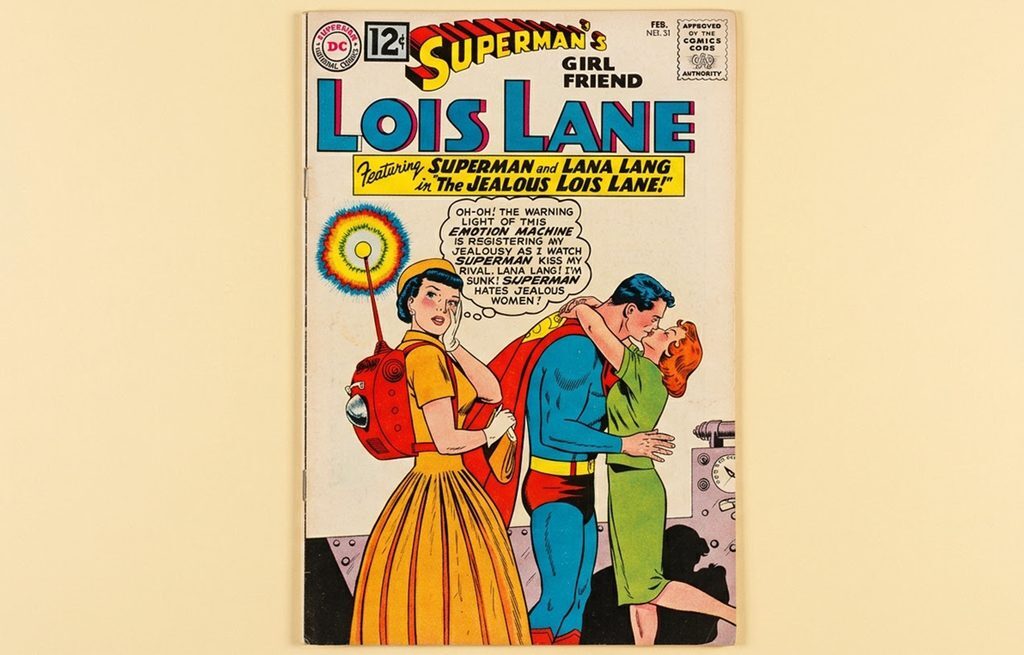
Before the 1971 decimal changeover, British currency used the old "d" symbol for pence - so any copy with "9d" on its cover predates 1971. From there, Britain moved on to its decimal system, and the "p" symbol took over - which pushed "d" into retirement and made "p" the new standard. That single letter can tell you quite a bit about when a copy was printed.
Before anything else, let's get one point straight about what a pence copy actually is. A pence copy is a genuine American edition of a Marvel comic that was printed in the US on the same exact presses as the standard US versions. Plenty of collectors confuse these with UK reprints, and that's a mistake worth staying away from - especially if you're buying or selling. UK reprints were a very different product altogether. They frequently bundled multiple US stories into a single issue, and they came with their own cover design and page layout. It's a pretty common mix-up and one that I see quite a bit.
How American Comics Got to British Shelves
Pence copies didn't make their way onto British shelves by chance. American publishers like Marvel and DC had to work with dedicated UK distributors to get their titles across the Atlantic, and Thorpe & Porter was one of the biggest names in that business for decades.
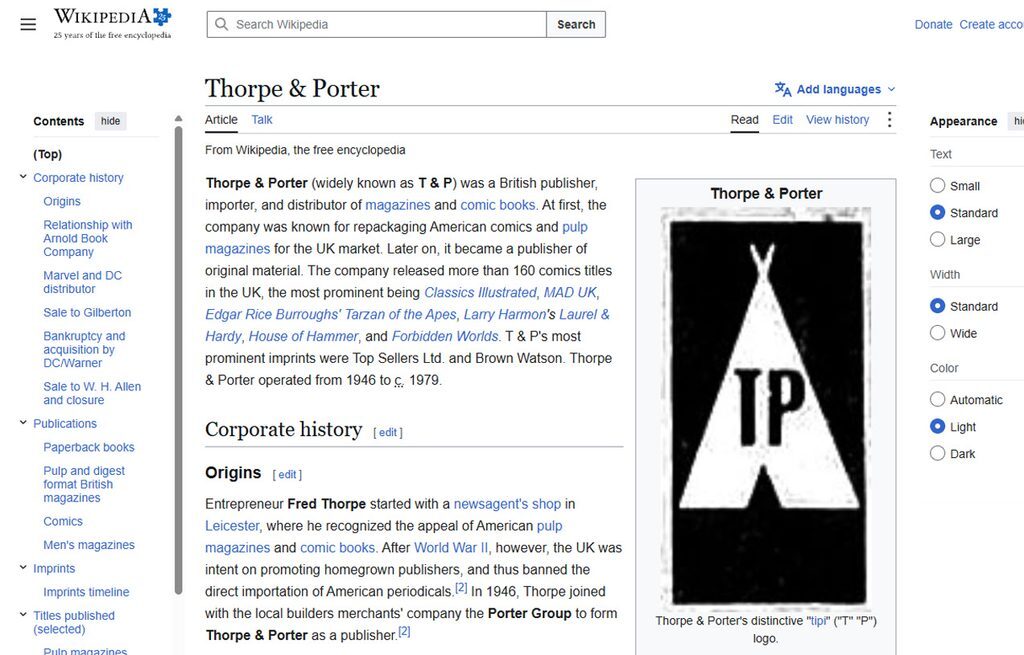
The whole process was a logistical mess. Delivery schedules were all over the place, and some copies would show up weeks late - or not at all. For British readers who wanted to follow a title from month to month, this left some frustrating gaps with no real way to fill them. Fewer copies made it to the store shelves whenever a shipment came up short or got delayed - and fewer copies on shelves meant fewer copies sold and even fewer that ever ended up in a collection.
That uneven distribution history is a big part of why the market is where it is. A British reader back in the 1960s or 1970s just didn't have the same access to back copies that an American reader would have had - there were no comic shops scattered along every high street to help fill those gaps and mail-order was nowhere near as easy as it is now.
The pence price on the cover is actually a pretty telling detail. The UK market had to be worth treating as its own region for a publisher to bother printing a whole separate cover price - and it was. A call like that meant a price swap on part of the print run, a different distribution chain, its own set of delays and inevitably its own gaps along the way.
Some collectors never see how much that chain of events matters. Where these comics were printed, how they were shipped and which copies even made it to their final destination - it goes a long way toward explaining why some pence copies are as scarce as they are.
Rare Does Not Always Mean Valuable
Pence copies were printed in far smaller numbers than their American counterparts - this part is known in the hobby. The exact print run figures aren't always easy to confirm. Publishers printed just enough to cover British newsstand demand, and that demand was only a small fraction of what the US market needed.
Rarity alone doesn't mean much without actual demand behind it. A limited print run won't automatically get you a high collector value or strong auction prices - a book that sold only twelve copies in a small town is scarce, and scarcity without an audience remains just a footnote.
The collector market for pence copies is way thinner than for US editions - the gap shows up in the price. There aren't as many buyers chasing them and the number who are actively looking for them is smaller still. A smaller pool of collectors puts a natural ceiling on what these books can fetch at auction or in a private sale. Prices will follow right along when demand is modest.
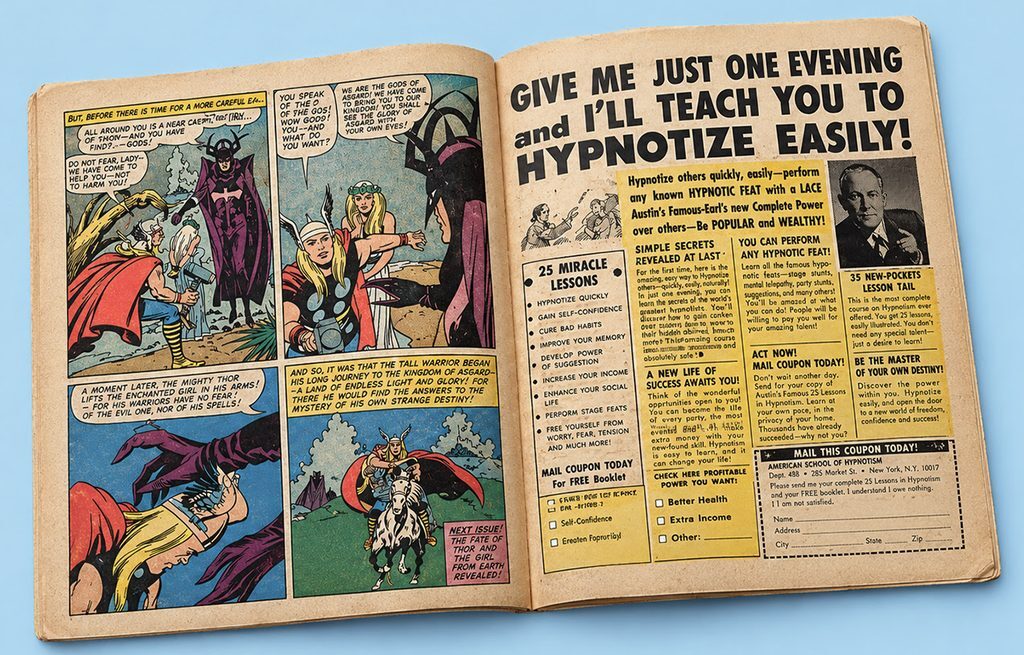
One word worth watching out for if you scan listings online is "rare." Some sellers use it pretty heavily to justify prices that don't have much grounding in market activity. The word itself gets stretched pretty far in comic sales. A book can very well be rare and still move for a modest price if the right buyers just aren't out there for it.
Rarity alone doesn't justify a premium price - at least not without a look at the data. Pull up the recent sales records before you buy and see what collectors have paid for comparable copies in the last 6 to 12 months. The prices themselves will tell you far more than any listing description ever could.
Why US Collectors Pay Less for Pence Copies
The collector market for vintage comics runs largely on American buyers, and this alone drives everything about how these books get priced and sold. Most US collectors spent their childhood grabbing comics off spinner racks at the local drugstore, and those exact editions are the ones they want to find as adults. The nostalgia attached to cent copies means quite a bit in this hobby - and it moves money.
That preference shows up in the price, and you'll feel it most at auction or in a private sale. A pence copy of the same issue in the same grade will usually sell for less than its US counterpart - and sometimes the difference is pretty minor. Other times the gap is wide enough to cause a problem if you paid a premium and were counting on premium returns. Sellers who acquire pence copies with high expectations usually walk away pretty disappointed, and in my experience it's one of the more frustrating parts of the market.
Plenty of dedicated collectors have built remarkably strong collections by going after pence editions in high grade - especially when the price difference between editions is at its widest. It's a valid strategy and one that doesn't get nearly the attention it deserves.
The core question is what you actually want to do with the book. A pence copy will work against you from day one if the plan is to resell it and pull top dollar from the widest possible audience.
That lower price tag stops feeling like a penalty and starts looking more like a deal for anyone who wants to read it, preserve it or add it to a personal collection.
The Early Marvel Pence Copies Worth Big Money
With most pence copies, the US original tends to be the more desirable option. But travel far enough back in time, and the pricing pattern starts to fall apart.
Early 1960s Marvel pence copies are a different story altogether. Print runs for UK editions were already fairly limited during that period, and not many of them managed to survive six full decades in any remotely readable condition. At some point the whole "original versus variant" debate just takes a back seat to plain old scarcity when a comic is actually that rare.
Auction records back this up. A handful of early Marvel pence copies from that 1962 to 1965 window have sold at prices that matched (or in some cases edged past) their US counterparts. It doesn't happen that frequently, and you wouldn't call it a trend either. But it's happened enough times that it's hard to write it off as coincidence.
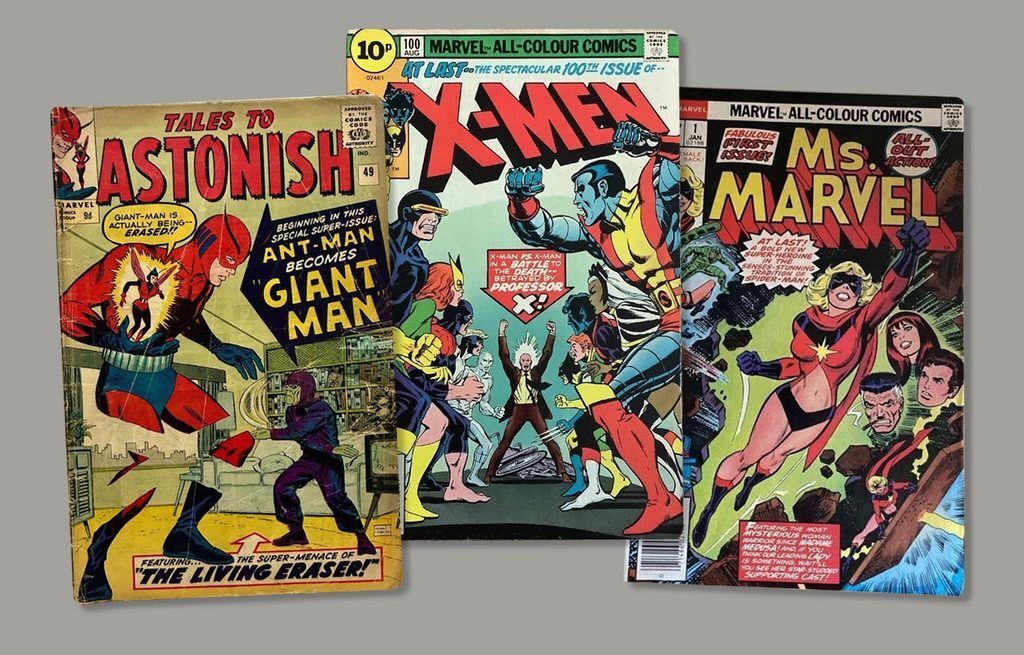
Age is the main driver here. A 1963 pence copy of a known Marvel title had almost no chance of making it this far - kids read them cover to cover, tossed them out or left them in damp garages for years on end. Collector demand tends to build up fast whenever one does surface with so few copies left in the world.
Condition still drives everything, though - it's worth keeping that in mind whatever era you're collecting from. A heavily read copy won't command a premium just because it happens to be rare. High-grade examples from this period pull in strong interest because that combination of age, scarcity and condition is very hard to come by. A strong sale at auction does tell you something about the market - it's just not a guarantee that every copy from that period will land the same way. The grade on the label matters just as much as the stamp on the cover.
Why a CGC Label Matters for Pence Copies
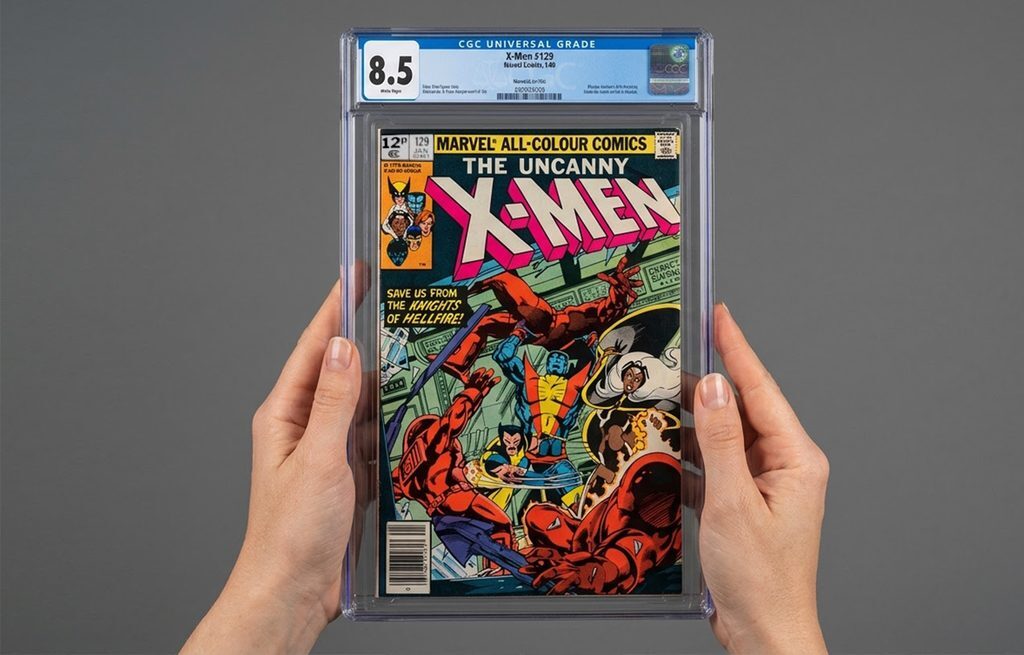
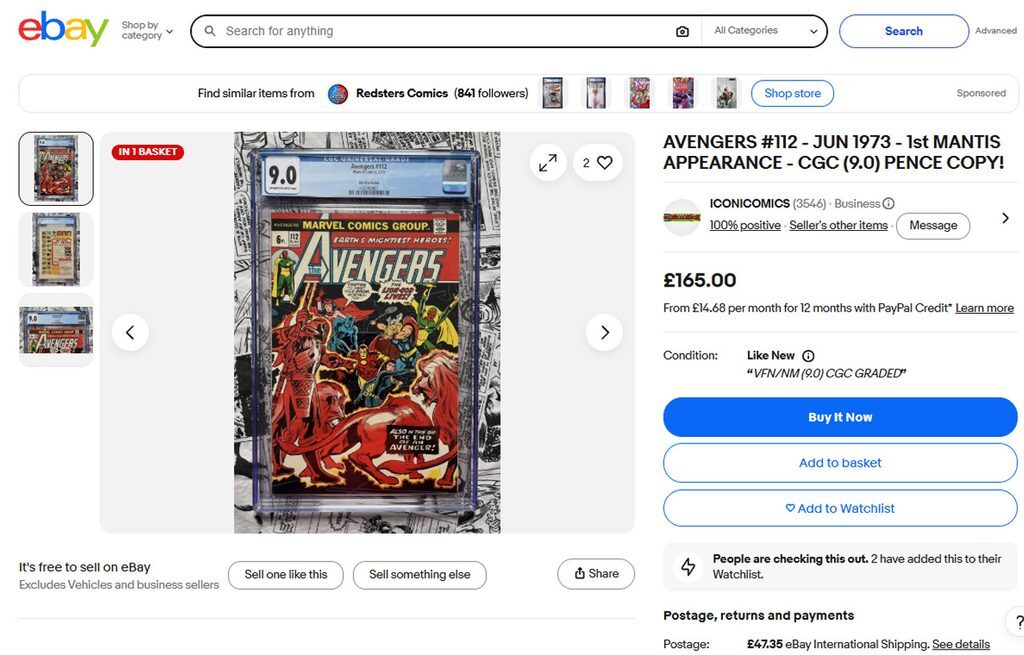
When CGC started noting pence variants directly on their labels, it changed the way that collectors looked at these books without much fanfare. Before that happened, a US buyer had no reliable way to confirm what they were ending up with - just the seller's word and nothing more. An official CGC label on a graded copy cuts right through that uncertainty. That's a really big deal for anyone who's ever paid a premium for a copy that turned out to be misidentified.
Cross-border comic sales have always carried a fair number of complications for everyone involved. A graded label with a clean variant notation takes care of that - a collector in Texas and a collector in London can pull up the exact same CGC census entry and land on the exact same conclusion about what the book actually is. There's no back-and-forth, no guessing and no disputes.
The census population for pence variants has grown steadily over the years as more collectors have been sending their copies in to get graded. It's very hard to say whether the labeling drove the surge in submissions or the interest was already building long before that. What we do know is that the recorded sale prices on graded pence copies have climbed quite a bit over the last few years - and it's most obvious on the top books that are in high grade.
Raw copies are a whole different situation. An ungraded pence copy with no label to confirm the variant ends up in this grey area where the seller names the price and the buyer takes on most of the downside.
The difference between a graded and an ungraded pence book can be pretty wide - it's what makes the raw market a bit of a headache to sort out. I see this a bit with higher-profile keys - the missing label puts downward pressure on what a buyer is willing to pay.
Are Pence Copies Worth It for You?
The big first appearances (Spider-Woman, Wolverine and the first Punisher story) all came out in pence copies as legitimate variants, and these are genuine editions of the books - not reprints or some watered-down alternative. A pence copy of a landmark issue is still that landmark issue, period. CGC grades them on the same scale and simply lists the pence price on the label.
That said, plenty of longtime collectors still gravitate toward US copies, and it's easy to see why. US editions hold stronger resale value and draw from a much bigger pool of buyers. Even a high-grade pence issue can be a tough sell at the same price as its US counterpart - the demand difference between the two is very real.
It's worth being honest with yourself about what you actually want out of this hobby before you make a call. Maybe you want to read it, add it to a long-term collection or sell it later. Each goal points you in a pretty different direction, and the right answer on a pence copy does depend on which one fits you best.
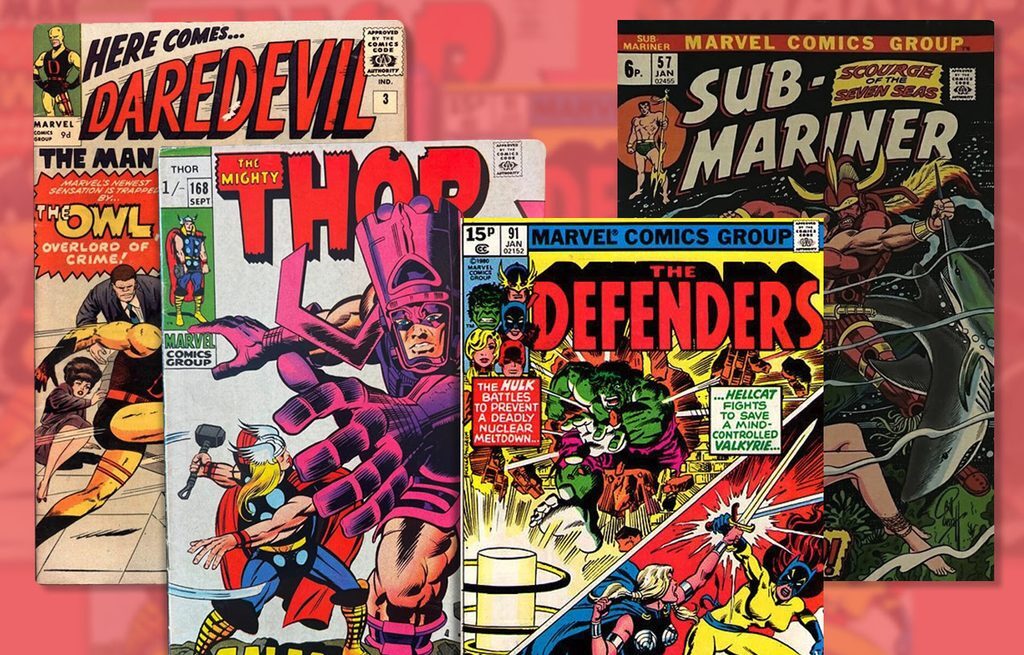
The price gap is the other big factor worth weighing. A pence copy that's priced well below its US counterpart can be a smart move - especially when it's the only realistic way to add that issue to your collection without overspending.
Where pricing gets messy is when a pence copy is priced at or near what the US edition would go for - paying that much is one of the more common mistakes I see with these. A pence variant with little collector demand just isn't worth paying full price for. The value of a pence copy is in the price difference between it and the US version - close that gap and most of the appeal goes right along with it.
The Bottom Line on Pence Copies
For most collectors in most situations, pence copies are going to sell for less than their US counterparts - that's just how the market works. With that said, "usually worth less" and "always worth less" are two very different statements and the space between them is where the market gets more interesting. The era of the book, its grade on the label and who is sitting across the table from you can all affect the price in very real ways.
When you look for pence copies, you're likely to see two very different extremes. Plenty of sellers will price common variants at full US value when there's barely any collector demand behind them. At the same time, others have some very underpriced pieces listed that most buyers just scroll right past. Guide values alone won't protect you from either mistake - what you want to look at is the recent sales data.
Your reason for collecting is what guides these decisions more than anything else. A pence copy that makes you happy to own, that fills a gap in your collection or that gets you a historically significant book at a price that works for your budget - that's a win by any measure. And if you already have a pence copy of a book that you love, that little pence price on the cover is part of its story. That alone matters.
You are the type of collector that we at Quality Comix love to talk to if you loved this deep look into comic variants. Whether you want to add a grail to your collection or you are ready to sell books that have been sitting in a longbox for years, our team at Quality Comix has spent over two decades buying and selling vintage comics with the care that these books deserve. Browse through our new arrivals to see what just came in or check out our Deal of the Week for a great book at a price that actually makes sense.
No matter how you collect, you are welcome here.