


 Written By

Grief is already hard enough, and an unexpected tax bill in the middle of it all is what any family needs least. For anyone who's recently inherited a comic book collection, that's actually a possibility - the IRS doesn't treat those books as sentimental keepsakes. Even a single high-grade issue can push an estate's total value up enough that bringing in a professional is well worth the time and money.
Most heirs don't know that comics sit in a pretty unusual legal space. The IRS classifies them as personal property (right alongside fine art and antique jewelry) and taxes them in the same way. A collection that a collector spent decades putting together out of pure love for the hobby can carry a fair market value that runs way higher than even longtime collectors might guess. And federal and state tax obligations can apply - each with its own guidelines and deadlines.
When an inherited collection is handled properly, it protects heirs from penalties, prevents expensive valuation disputes and holds as much of the estate's value together as possible. The two biggest mistakes that I see are skipping the formal appraisal process and missing state-level tax obligations - and either one can quietly turn a hard-earned inheritance into a financial headache.
Here's how estate taxes work with inherited comic collections!
The IRS Sees Your Comics as Property
The person who built a comic collection tends to think of it as a hobby. But to the IRS, it's an asset - no different from fine jewelry, a painting or property.
Lots of heirs treat inherited comics as personal keepsakes and think they don't carry any actual financial or legal weight. The IRS sees it very differently. An estate that isn't prepared for that can end up in a pretty tough position.
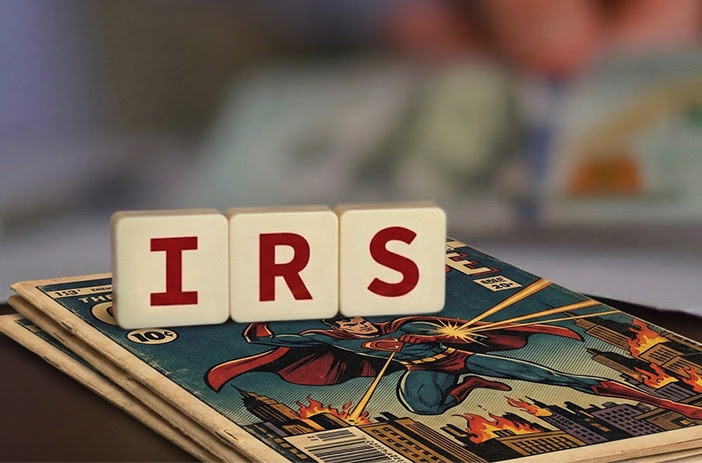
How your collection gets taxed can depend on what it's worth. A few comics have sold at auction for very large amounts - Action Comics #1 and Amazing Fantasy #15 have crossed well into the multi-million-dollar range. At that level of value, the federal government treats them the same way it would treat fine art or investment property, with the same tax implications.
The IRS treats collectibles (comic books included) as estate assets, right alongside real estate and bank accounts. When a collection gets inherited, its full value has to be included in the total estate with no exceptions. What the IRS is actually looking at is the fair market value of each item at the time of the owner's death, though estates can elect an alternate valuation date six months later if it lowers the total estate value.
A professional appraiser is usually going to be necessary to establish that value - they can put a concrete number on what the collection would sell for on the open market. That appraisal is a large part of the estate filing - without one, the estate may have a hard time backing up whatever value gets reported.
Most Estates Stay Under the Federal Limit
The federal estate tax only applies once an estate's total value crosses a threshold. That number sat at $13.99 million per person through 2025. If the full estate (comics and all) lands below that amount, no federal estate tax is owed.

That ceiling is a long way off for most collectors. A well-loved collection that was built up over decades doesn't usually push an entire estate past eight figures on its own.
One more detail to consider - the $13.99 million figure wasn't set in stone. That figure was nearly cut in half at the start of 2026 under an old sunset provision, but a 2025 law removed the cut and instead raised the exemption to $15 million per person, with future adjustments built in.
That change alone is a genuine reason to watch the timeline closely - especially when a collection has been quietly growing in value over the years. An estate that sat comfortably below the old threshold could already be in a very different position under the new one. Acting sooner rather than later gives you many more options than if you were to wait until the last minute. Understanding how long to hold comics and when to sell can also play a meaningful role in those decisions.
Getting an appraisal now gives families quite a bit more breathing room - more time to weigh their options and far less pressure to rush when the process starts moving faster. An appraisal is simply information with no commitment to act on it. In estate planning, this is almost always worth more than learning the same facts once your options have run out. If you're newer to the hobby, it also helps to know how to start a comic book collection with long-term value in mind.
State Taxes Can Be a Surprise
Federal taxes are only part of what you owe here. States also have their own estate or inheritance taxes layered on top of that, and the thresholds for those can be quite a bit lower than the federal limit.
Oregon starts taxing estates at just $1 million, and Massachusetts at $2 million, both far below the federal limit. Maryland applies an estate tax and a separate inheritance tax to the same estate. A comic collection with even a handful of high-end Silver Age books or a decent run of rare first appearances can push an estate past those state limits all on its own.
Estate planning is one area where comic collections almost never come up - it's a genuine problem. An heir could have zero liquid assets to their name and still get hit with a legitimate tax bill, all because of a few long boxes sitting in a closet. The collection doesn't need to be massive for this to become a problem either - it just needs to be worth enough. A well-curated run of the right books can get there. Getting a large collection professionally appraised is often a smart first step toward understanding exactly what you're dealing with.
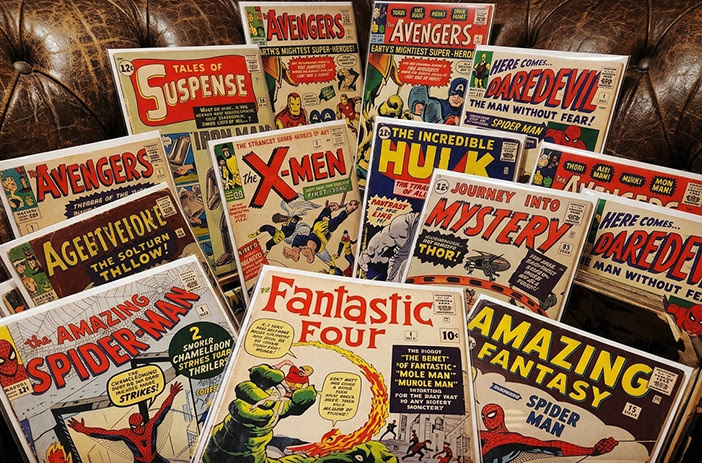
One last detail to keep in mind is that the state that applies here is wherever your loved one was living at the time of their passing - not necessarily where you live as the heir. If they were based in a state with a lower estate tax threshold, that state's laws are what govern the estate.
The earlier you look into this, the better - if possible, well before the estate has gone through probate. A local estate attorney or tax professional who is familiar with that state's laws can tell you what, if anything, is actually owed. The total won't always be a large number. But at least you'll know where you stand before any decisions that matter need to be made. If selling does become part of the plan, understanding how to sell a large comic collection in bulk can save a lot of time and stress.
What Sets the Fair Market Value
For estate tax purposes, fair market value is the number that matters most. Not the original buy price from years ago, and not whatever sentimental value gets attached to a book, fair market value is what a willing buyer would pay a willing seller on the open market. It's the figure the IRS cares about, and it's the one that's worth getting right.
A few factors have a big effect on what a comic book turns out to be worth. Condition is probably the one that matters most - a near-mint copy can be worth a few times more than the exact same issue in poor shape. Rarity and collector demand matter quite a bit, too. A low-print-run sought-after issue from the 1960s will usually land in a very different price range than a common reprint from the same decade - even if the two books look practically identical side by side.
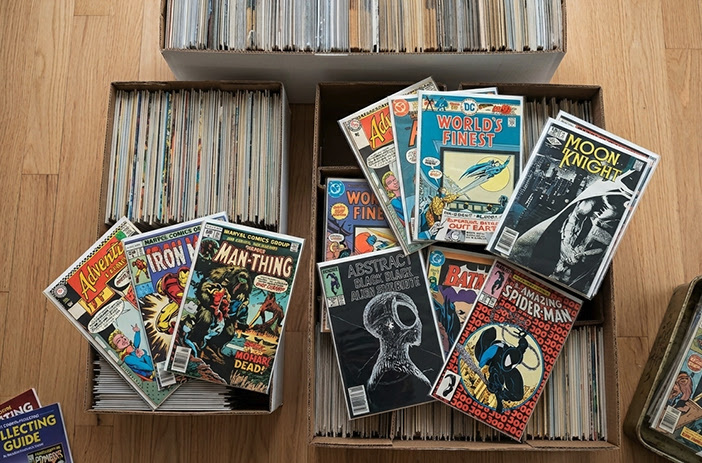
That's where professional grading pays off. A CGC-graded book comes with a documented condition score already attached to it, which makes the appraisal process quite a bit smoother for everyone involved. For books that come without a grade, an estate appraiser needs to look over the condition on their own, which tends to add a bit more time and back-and-forth to the whole process.
Before an estate gets filed, the part that deserves the most attention is the difference between what a book cost to get and what it's actually worth. A comic sold for $5 at a convenience store in 1962 could well be worth a few thousand dollars. The estate gets taxed on today's value - not what someone paid for it back then. Too many families skip the professional appraisal step altogether, and in my experience, it's one of the more expensive mistakes that you can make in a situation like this.
How the Stepped-Up Basis Rule Works
When you've recently inherited a comic collection, and you're on the fence about selling it, the tax situation is firmly in your favor. The IRS gives heirs something called a "stepped-up cost basis," and it makes a real difference when it comes to capital gains taxes.
In practice, that means the heir's tax basis starts at whatever the comics were actually worth on the date the original owner passed away - not what that person paid for them years or decades before.
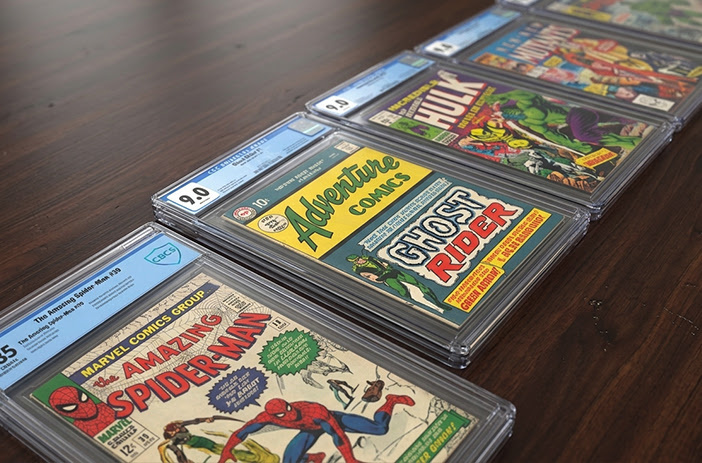
A single comic book is an example of how this works. Say a book was bought for $10 and it's now worth $50,000. At that point, the heir's cost basis resets to that $50,000 value - not the original $10. From there, if the heir turns around and sells it for $55,000, only that $5,000 difference gets taxed - and because comics are collectibles, that long-term gain is taxed at a maximum federal rate of 28%, higher than the 0/15/20% that applies to stocks. The original $10 price just doesn't enter into it at all.
For a collection that has been gaining value over years and years (or decades), it matters quite a bit. Those years of price appreciation reset right when it changes hands through inheritance. The new owner only owes taxes on gains that happen after that date. For a well-loved collection with a long history behind it, that can translate into a tax break.
An accurate date-of-death value is what holds this whole process together - and it's the reason a professional appraisal at the point of inheritance is worth doing.
What the IRS Wants From Your Appraisal
For any collection of real value, you'll want a qualified appraisal behind the number you report, since the IRS expects collectibles in an estate to be backed by a proper valuation rather than a rough estimate.
A printout from an online price guide or a quick estimate from a dealer at a convention won't cut it. They're fine as a general reference point and are worth having for that reason. What they won't do is hold up if your return gets reviewed.
An appraiser will also need to show that comics or similar items are a real and active part of what they do professionally. The appraisal itself has to follow IRS formatting standards and be completed within a set timeframe or filing date. The right paperwork filed with the wrong appraiser can get the whole claim rejected, so the person behind the signature matters just as much as the document.
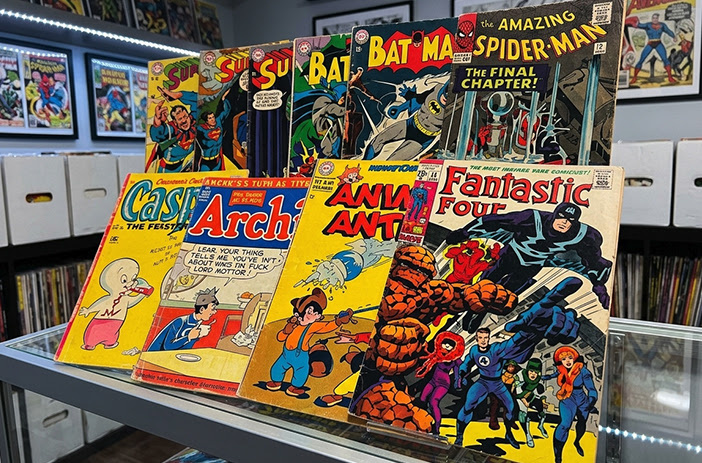
The financial exposure is very real, and the consequences can pile up fast. If the IRS challenges your appraisal and it doesn't hold up, penalties get tacked onto whatever taxes are already owed. An appraisal that understates the value of a collection almost never gets the benefit of the doubt (in my experience, it gets treated as a problem, not a minor oversight).
Deliberately undervaluing a collection to cut your tax bill is not a gray area, and the IRS treats it accordingly. The agency has a long history with collectibles, and it knows exactly what paper trail comes with them. Sales records, auction results and grading history are all on the table if your numbers ever come into question. An honest and well-documented appraisal is the only strategy that will actually hold up.
How to Lower the Tax Hit Early
A comic collection worth money is a great asset to have. But it can create some actual trouble for your heirs if you don't plan ahead. One of the easier ways to go about it is to gift comics while you're still around. The IRS lets you give a set dollar amount to any person each year - no gift tax, and it won't eat into your lifetime exemption either.
It works quite well if you have a large collection - we're talking dozens to hundreds of single issues. A fair market value gets assigned to each book, and then you can spread the gifts out over time at whatever pace makes sense.
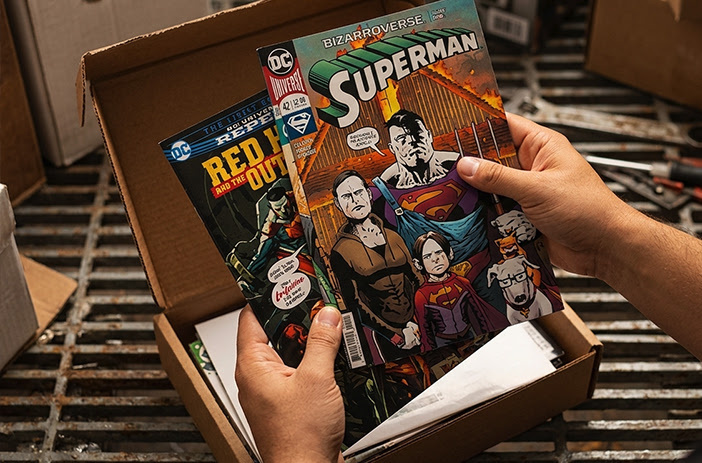
Trusts are another path that's worth a conversation with your estate attorney. With the right trust structure in place, your whole collection can be held and passed down on your own schedule, which gives your family quite a bit more flexibility over the timing and how the tax side of it all gets handled.
Donation is also an option - libraries and qualifying nonprofits will usually accept the books, and a charitable deduction can help to offset other taxable income on your end. Before any of that, a quick conversation with a tax professional is worth it to get your paperwork in order.
One detail worth mentioning, though, is that none of these strategies will do much on their own. The part that I usually see missing is the conversation. That conversation with your family about where the collection will go is the part that matters - a plan that only lives in your head isn't a plan. The earlier that conversation happens, the more room everyone has to work with - and the better your odds are that your collection ends up just where you want it with whoever is actually going to love it.
A Little Work Now Goes a Long Way
Estate taxes, appraisals and capital gains can sound like quite a bit to take on. But none of it's as tough as it sounds. A little preparation before a collection changes hands goes a long way, though. The collectors who plan ahead (and the heirs who take the time to get a feel for what they have) are the ones who come out of it without regret.
A professional appraisal, an afternoon spent looking into your state's tax laws or just a conversation with your family about the future of the collection - any one of these steps will leave you in a much better place than you'd be if you did nothing at all. It doesn't have to be a long process. Even a basic sense of what you're working with puts you ahead of most collectors in the same situation.
What your comics are worth matters to us at Quality Comix. We've spent over 25 years in the vintage comic business, and in that time, I've watched value come out of collections that had been written off as "just comics." If you've inherited a collection and want a better feel for what you've actually got, our process is pretty painless - it all starts with a quick conversation. We also bring in new arrivals if you're on the other side and want to grow your own collection. Our Epic Points rewards program is a great way to stretch every dollar that you spend with us. We're happy you're here. Whatever brought you to us, we hope we can help.