


 Written By

A high-grade slab looks great on the shelf - right up until you read the label. The page quality notation is right there. But many collectors overlook the "cream" or "tan" designation until after the sale has already gone through. It's a small detail that's easy to miss, and it can quietly eat into resale value in ways that the numerical grade alone will never warn you about.
Page quality has its own dedicated notation on every CGC and CBCS label, separate from the numerical grade - and yet most buyers sort by grade alone and scroll right past it. For modern books printed after 1990, white pages are the baseline expectation, so they don't carry much weight one way or the other. For a major Silver Age issue or a Golden Age superhero title, that white page designation means the book was stored well for decades, and the market has very much started to price it accordingly.
A numerical grade is just a snapshot - it captures a book's condition at one point in time. Page quality is a different matter - it tells you what the paper has actually been doing over the past 50 or 80 years inside that book. Those are two very different pieces of information, and confusing the two is a mistake that I see quite a bit. Plenty of high-grade copies have numbers that look great. But the page quality tells a tougher story for anyone who plans to hold onto that book long-term.
For any dedicated collector or investor who's buying older major issues, that notation fills a gap that the numerical grade was never designed to communicate. Facts matter. With vintage books in particular, one without the other leaves you with only half of the information that you need.
Here's why white pages can matter more than the grade for your comics!
The Way CGC and CBCS Label Page Quality
The paper quality scale runs from White at the top down to Brittle at the bottom, with Off-White, Cream and Tan placed in the middle to round out the range. Each grade on that scale represents paper that has aged, darkened or dried out just a little more than the one above it. White pages look and feel pretty close to the way they did on the day the comic was first printed - and for a book that's been sitting around for decades, that's about as strong as it gets.
An Off-White to White is still a pretty strong grade, and it means the pages have barely aged at all. Off-White on its own is a sign that some yellowing has crept in - the paper is still in respectable shape, but just no longer quite as pristine. The paper in Cream or Tan territory has gone through an obvious change and you'll see it right away when you flip through the book. Tan pages in particular carry a warm amber tone, and the paper itself tends to feel a bit more brittle compared to fresher stock. What causes pages to yellow is worth understanding if you're serious about preservation.
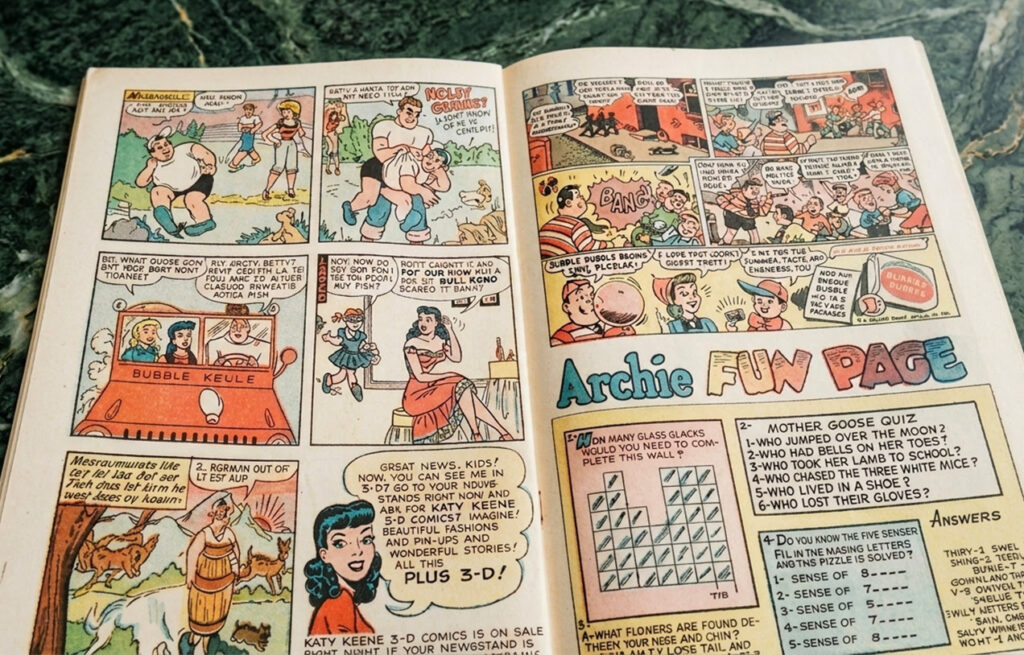
The paper quality notation gets printed separately from the numerical grade, and you can pretty easily miss it if it's not already something that you're actively looking for. In my experience, this detail is usually what ends up separating the casual buyers from the ones who actually know what they're looking at.
A 9.8 with Tan pages and a 9.6 with White pages are two pretty different books, regardless of what the numbers say. The number on the label only covers exterior condition - it says nothing about the paper inside. That missing context matters quite a bit when money or long-term value is at stake. If you're thinking about how long to hold a comic before selling, page quality should factor into that decision.
How Old Comics Lose Their White Pages
Comics printed between the 1940s and 1960s were made with newsprint, and newsprint was never built to last. The wood pulp that it's made from contains something called lignin that slowly breaks down over the decades and releases acid directly into the paper. That acid is what does most of the damage. It's what turns the pages yellow and makes them go brittle over time. The process is gradual and almost invisible from one year to the next. But under normal storage conditions, it's all but inevitable.
When a 70-year-old comic still has white pages, something pretty unusual had to have happened at some point in that book's life. A comic in that condition was kept in an environment that more or less put the aging process on hold - with low humidity, stable temperatures and very little light exposure over decades. A Golden Age book with pages like those is a very rare find.
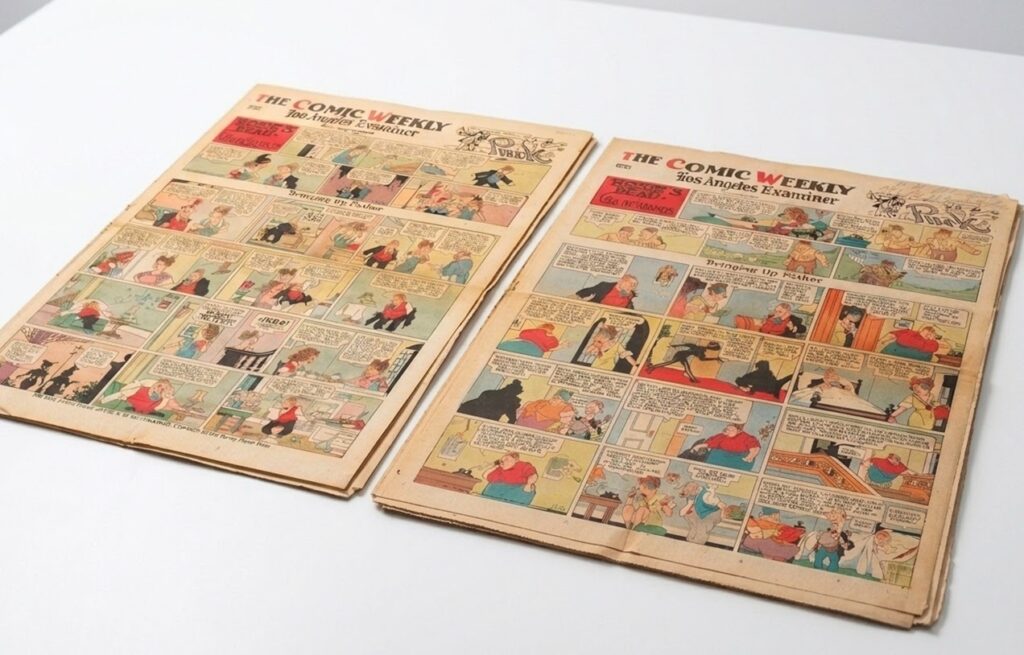
White-page copies of older books are treated as their own category by dedicated collectors, and it makes sense. Pages that have stayed this white across generations are physical proof of a storage history that somehow managed to beat the odds - and a grade number alone just can't tell you that.
Page quality and grade don't always move in the same direction, and for collectors who actually know their chemistry, that gap matters quite a bit. A book can be in great shape on the outside and still show heavy tanning when you crack it open. And a copy with exterior wear can open to pages that look almost untouched. White pages are one of the most telling signs that you'll find on a Golden Age or early Silver Age book - and to my mind, that contrast is a big part of what makes them worth tracking down.
Sometimes a Lower Grade Sells for More
A 6.0 with white pages can sometimes sell for more than an 8.0 with tan or brown pages. Most collectors push back on that because the grade number doesn't tell you everything on its own.
Page quality tells you something that the grade number alone can't quite account for. A higher-graded copy with yellowed pages is already in decline - the paper has aged past its prime, and it's only going to get worse from there. A mid-grade copy with bright white pages is structurally much closer to what it was on the day it came off the press.
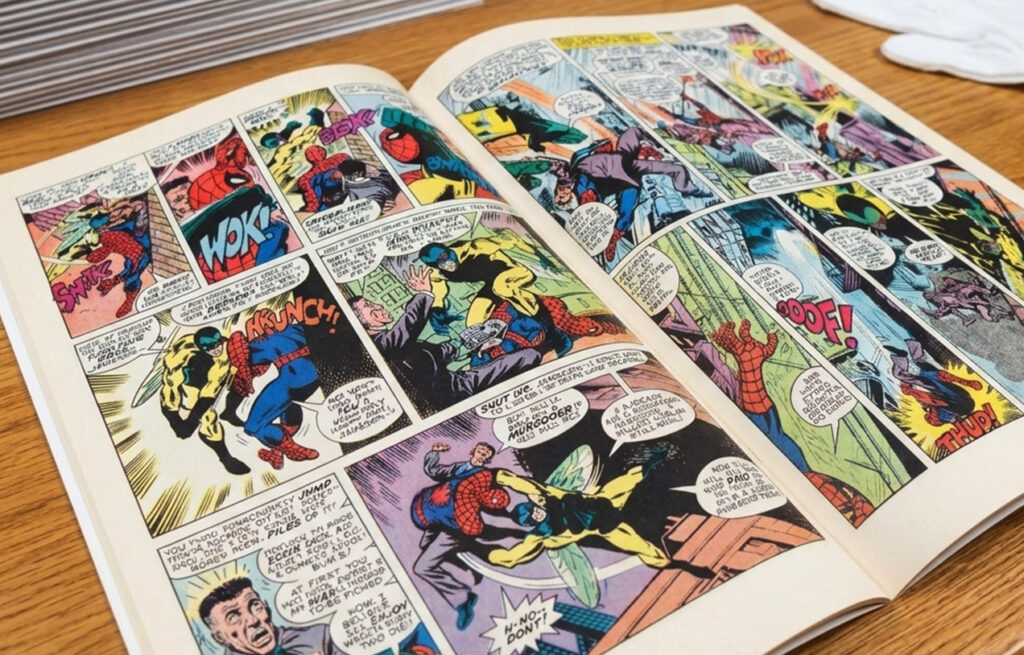
What a collector is actually paying for goes a little deeper than just the grade. Condition is a big part of it, no question. But a big part of it is about whether the book will hold up well over the next decade or two. White pages give you a window into how a comic was stored and taken care of throughout its whole life. That track record matters quite a bit to experienced buyers, and the market has started to catch on to that more and more.
Two books can share the same title, the same issue number and even the same big community - and still represent very different investments. The difference can depend on what's going on inside the cover. A bigger grade doesn't always win once you get into the specifics. A mid-grade copy with bright white pages can push past a higher-graded book with brittle paper in terms of value. The grade on the label is only one part of the picture, and I'd always take a hard look at what you have in front of you before you make a final call.
For plenty of collectors, it's the first detail they want to confirm.
The Real Price of White Pages
Early Amazing Spider-Man books are a great place to watch this play out with numbers behind it. A gap like that legitimately matters, and it has a direct effect on what collectors are willing to put on the table.
Golden Age superhero books tend to tell the same story, and the auction records from Heritage and ComicConnect back it up - we're talking about hundreds of sold listings that you can look up yourself. A 1940s Superman or Batman book graded at a 4.0 with white pages will usually outsell a 6.0 copy whose pages have gone brown and brittle over the years. The grade on the label, in other words, only tells part of the story.
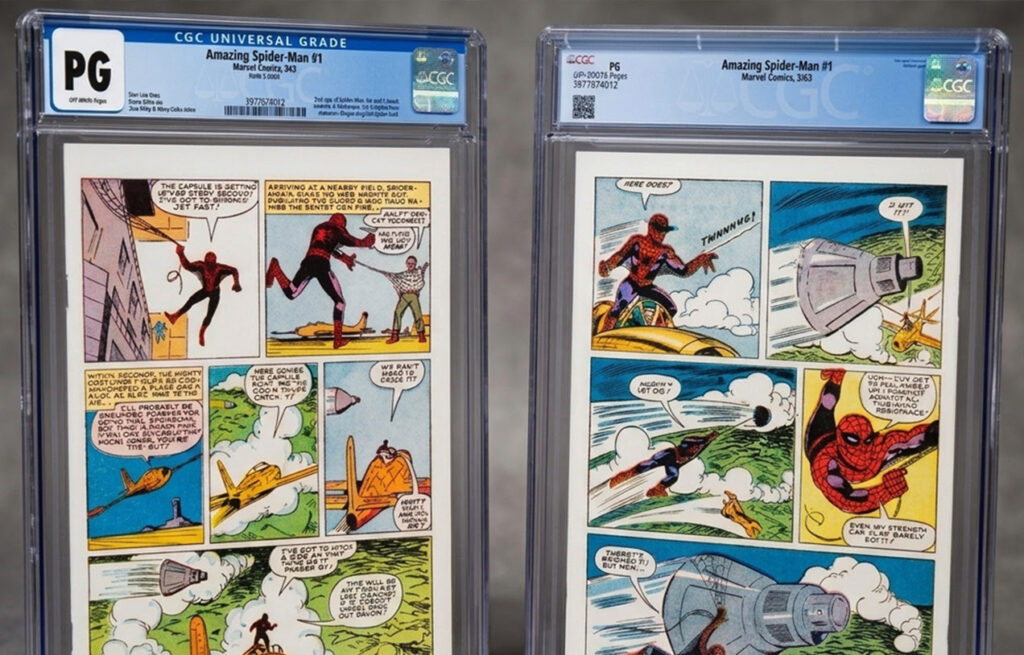
What's interesting here is that these results aren't one-off exceptions - they turn up across price points, publishers and eras. Line up enough comparable sales side by side, and the page quality column starts pulling just as much weight as the grade itself. In plenty of cases, it legitimately does.
The buyers driving these prices aren't guessing. They've done the research, and they know exactly what they want, and they're paying quite a premium to get it. White pages on a Golden Age or Silver Age book are one of the strongest signs that a copy has been legitimately well cared for over the decades - and to an experienced collector, that carries weight. It's actually one of the most common oversights I see newer collectors make when they're first putting together a budget for a buy, and it ends up costing them more.
White Pages Matter for the Long Term
A slab doesn't actually pause the aging process on the inside. Once a comic is sealed in, the pages are still breaking down at their own rate. That slow deterioration can quietly work against a book's long-term value in ways that the grade on the label won't ever show.
Page quality is one factor that long-term holders need to start paying closer attention to. It tends to be one of the first details that gets passed over in my experience. A high-grade book with off-white or brittle pages is a very different investment than a book at the exact same grade with stable white paper. The two copies carry the same number on the label. But one of them has considerably more room to hold its value over the years.
White pages are a sign that the paper has held up well, and to the point that it probably will continue to. It's not a guarantee - and nothing in this hobby is. For anyone trying to gauge a book's long-term staying power over years or decades, it carries weight. The more dedicated investors out there are starting to treat it that way.
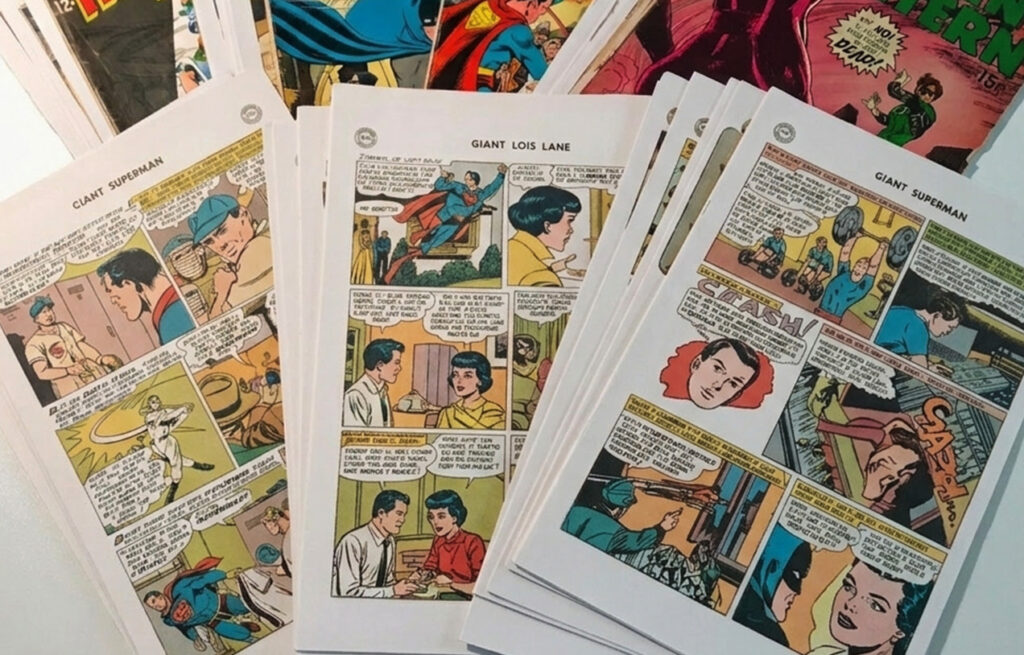
A 9.4 with white pages and a 9.4 with brittle pages share the same label grade - and that's where the similarity ends. One of the books carries considerably more uncertainty over time, and the market has started to show that. Paper quality has quietly gone from being a minor detail on the census label to something buyers are weighing when they choose what to pay.
For anyone planning to evaluate a book's long-term worth, paper condition is worth adding to your evaluation criteria. The grade shows where the book stands. But the paper condition is what tells you where it's likely to be ten or twenty years from now. If you're unsure whether a book merits the effort, sending it in for a regrade is one way to get a clearer picture of what you actually have.
The Grade Shows Now, but Pages Tell Tomorrow
Most collectors have a sense of what a grade means. Page quality is a whole separate conversation, though - and for anyone who plans to hold onto their books long-term, the difference between the two can matter quite a bit.
A grade is a snapshot of the book as it stands at the time it was graded. Page quality is a different story, and it tells you how the book ended up there, and maybe more telling is where it's likely to go from here.
Two books can land on the exact same grade and have almost nothing else in common. One of them is probably on a steady path toward more deterioration, and the other one could sit stable for decades. A grade number alone won't tell you which one you're actually looking at.
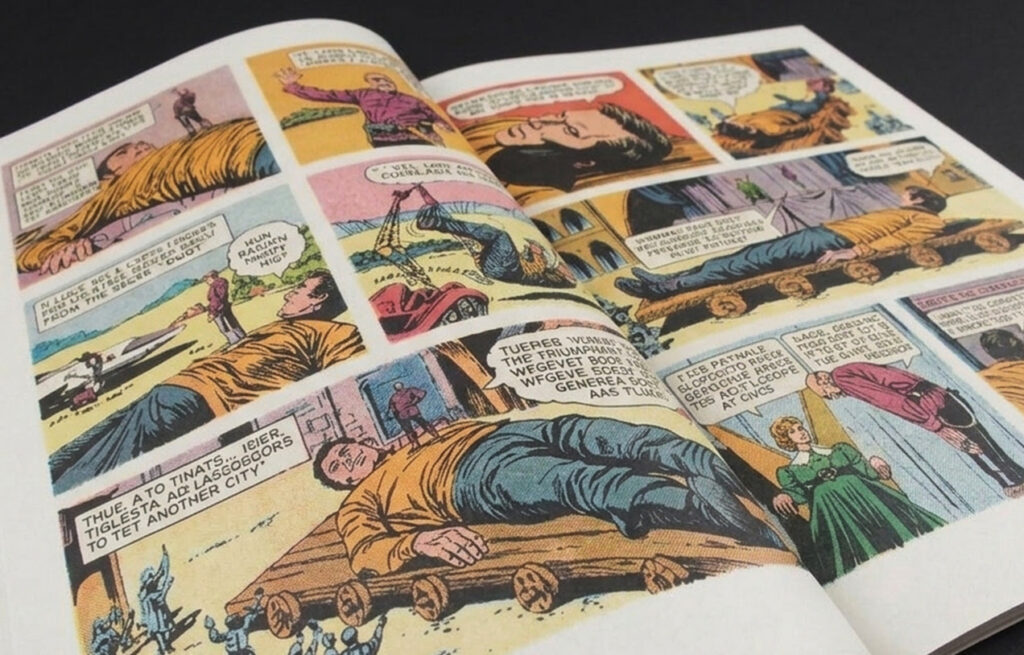
Page quality is more of a track record than anything else. A book with white pages has already made it through years of falling apart without giving in. That history means something. What it tells you is that the book has held up well through whatever conditions it's lived in across its entire life.
The grade number probably gets a little too much credit. A 9.2 with yellowed pages is a very different book than a 7.5 with white pages. One of them looks great. The other has held up well over time - and for anyone who has a long hold planned, that's the number I'd be paying closer attention to.
Grade and page quality aren't competing with each other - they measure two very different qualities. A grade is a snapshot of where a book stands. Page quality is about its history, and it gives you a decent sense of where the book is headed from here. For plenty of books, that track record ends up being the more telling number on the label. If you're ever unsure how a grading company reads these details, it's worth understanding how different grading companies approach the same book.
Check the Page Quality Before You Buy
The grade number on a slabbed comic is tempting to fixate on when you're shopping online - and most marketplace sites don't help. They're designed around sorting by grade. The full label has so much more to tell you than just the grade, and it's worth reading through all of it before making any decisions.
The page quality is actually printed right on the label - the grading company puts it there, and it's always available to anyone who takes a second to look. The notation is usually pretty small, though, and it can be easy to miss if you're moving fast through listings. Before you get too attached to a book, zoom in on the label photos first.
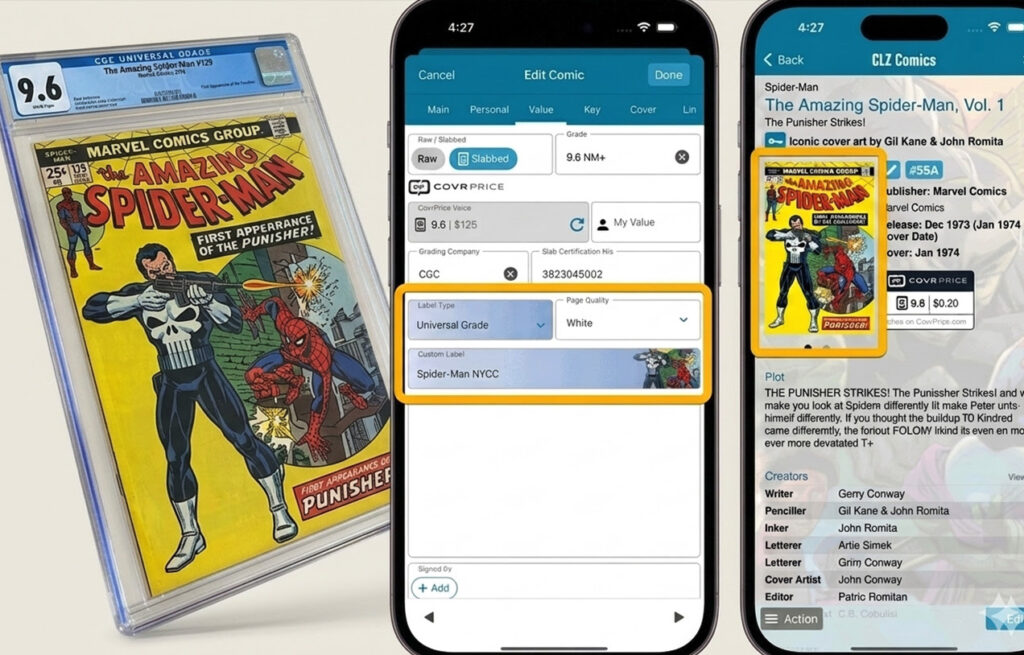
If a listing only has a stock photo, reach out and ask the seller for a slab shot. A stock image tells you nothing at all about the copy that you'd be buying, and page quality is something that tends to get buried behind a generic placeholder. Any seller worth buying from will have no problem at all sending you one. Learning how to photograph comics properly is something any serious seller should already know.
A little familiarity with reading comic book labels goes a long way once you start browsing. CGC labels use a descending scale of terms ("White," "Off-White to White," "Off-White," and on down from there), and each one means something different for what you're walking away with. You can weigh whether a particular grade and page quality combo is a fit for your collection.
The Full Picture Is Worth a Look
Once page quality starts to matter as much as the grade itself, the way that you read a label does change permanently. Most collectors who reach that point will tell you they can't go back to the way they used to shop - and after you spend enough time around them, it's pretty hard to argue with that.
The grade still matters - no one would argue otherwise. For older keys, especially, the number on the label is only a part of what you're paying for. A page quality notation is there to tell you something that the grade was never designed to cover. For a book that's been around for 50 years or more, that extra detail can make quite a difference in what you actually end up with.
With this in mind, it's worth a second look at what's already in your collection. A few books that you might have undervalued could be worth more than you gave them credit for, and a couple of books that felt like wins on paper might not hold up quite the way that you'd expected. The full picture will always do more for you than any set of assumptions ever could.
Page quality is something we care about with every book at Quality Comix. After 25 years in the vintage comics world, it never gets treated as an afterthought - each book goes through a careful evaluation. That care comes through directly in our listings.
Our new arrivals section is worth a browse for anyone in the market for a well-preserved issue. Our selling process makes it easy to find out what your collection could be worth. For collectors looking to deepen their knowledge, our free e-book is a great place to start. The more you know about what you're looking at, the more rewarding this hobby gets - and we're here to help with that.